

Quick Jumplinks to Navigate
Festivals in the Andaman and Nicobar Islands are celebrated with a variety of native, tribal, South Indian, and North Indian customs. A dynamic calendar of activities is available all year round because of the islands’ various populations, which include Bengalis, Tamils, Telugus, Nicobarese, and others. Experiencing these vibrant festivals is often a highlight of an Andaman tour.
While local celebrations like the Island Tourism Festival and Beach Festival showcase regional customs and talent, spiritual festivals like Durga Puja, Holi, Deepavali as well as Ayyappa Pooja are celebrated with similar intensity. Every celebration captures the spirit of solidarity and the multicultural identity of the area. Here, celebrations take place on open beaches, mosques, or temples and seem intimate, welcoming and deeply rooted in local culture.
1. Ayyappa Pooja
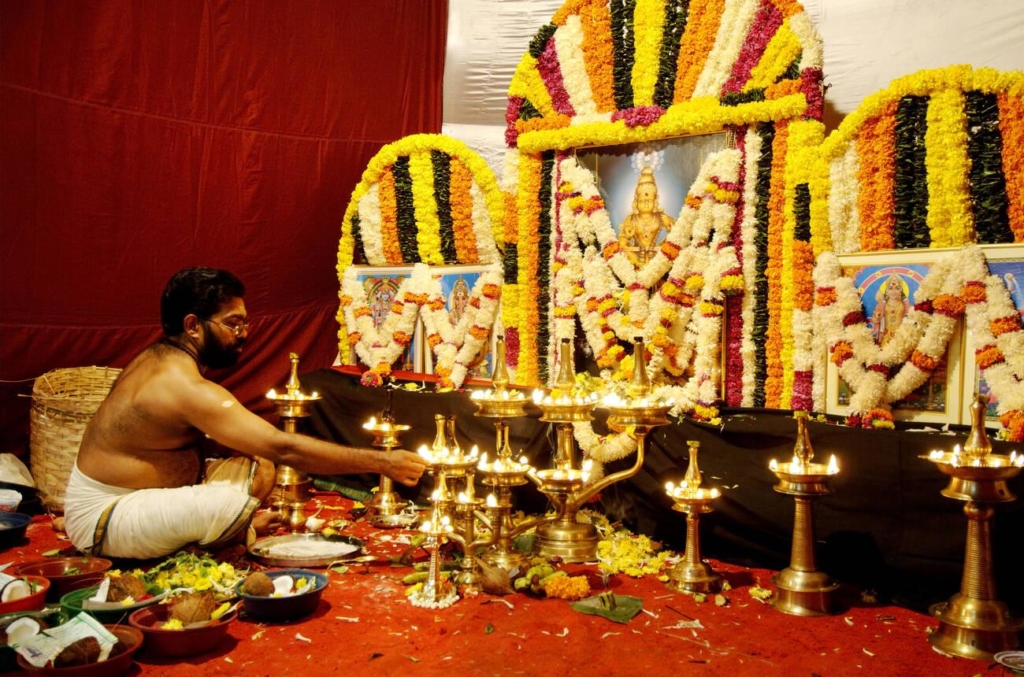
You can attend the Ayyappa Pooja if you happen to be in the Andaman Islands in the middle of January. According to the Tamil calendar, it is often observed on January 14 or 15. In the 45 to 60 days before it, devotees lead a very disciplined life where they get up early, pray three times a day, other than following strict routines.
You can see the temple being filled with prayers and bhajans sung with clapping as well as traditional instruments on the day of the Pooja. According to many, Lord Ayyappa bestows blessings on those who worship him with genuine devotion.
- Why is it celebrated: Honours Lord Ayyappa with devotion, prayer, and spiritual discipline.
- When is it celebrated: Observed between November and January, with the main celebration during the Makaravilakku festival.
- How People Celebrate: Devotees fast for 41 days, wear black or blue, and carry offerings during their pilgrimage to Sabarimala.
2. Ganesh Pooja
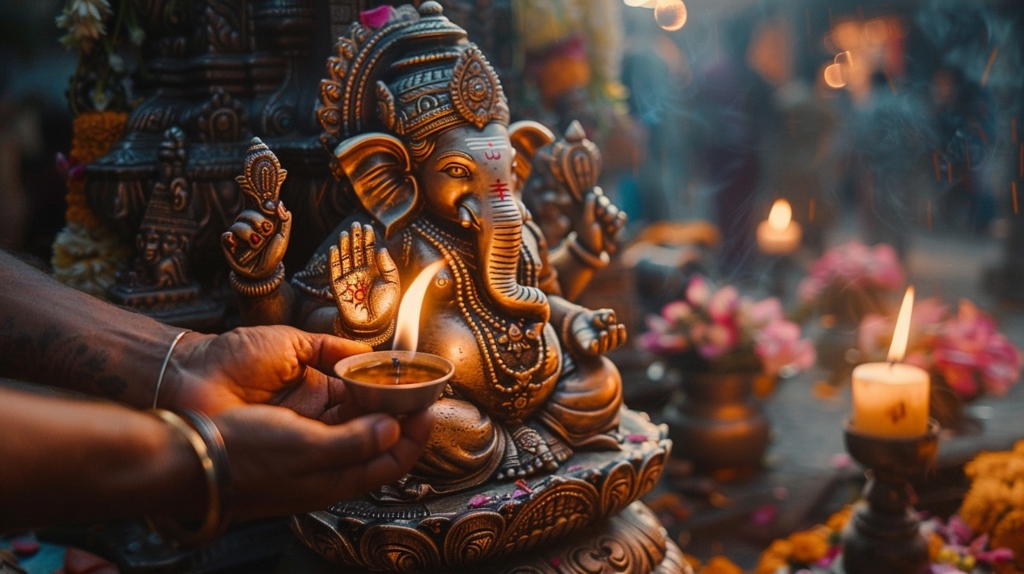
If you are visiting the Andaman Islands around late August or early September, consider taking part in Ganesh Pooja celebrations. Held during Bhadrapad Sudha Chaturthi, also called Vinayaka Chaturthi, the festival brings beautifully decorated temples to life with flowers, lamps, and devotional energy.
People gather to offer prayers, attend poojas, and join in aartis led by priests. Traditional sweets like Kozhukattai and Sundal are prepared and shared as prasad. Therefore, for a truly local experience, you can head to Sri Karpaga Vinyagar in Golghar or Sri Lakshmi Vinayagar Temple in Aberdeen Bazaar.
- Why is it celebrated: Marks the birth of Lord Ganesha with prayers, music, and colorful idols.
- When is it celebrated: Celebrated in August or September on the fourth day of the Hindu month Bhadrapada.
- How People Celebrate: Clay idols of Ganesha are placed at homes or pandals, worshipped with sweets and flowers, and later immersed in water.
3. Holi
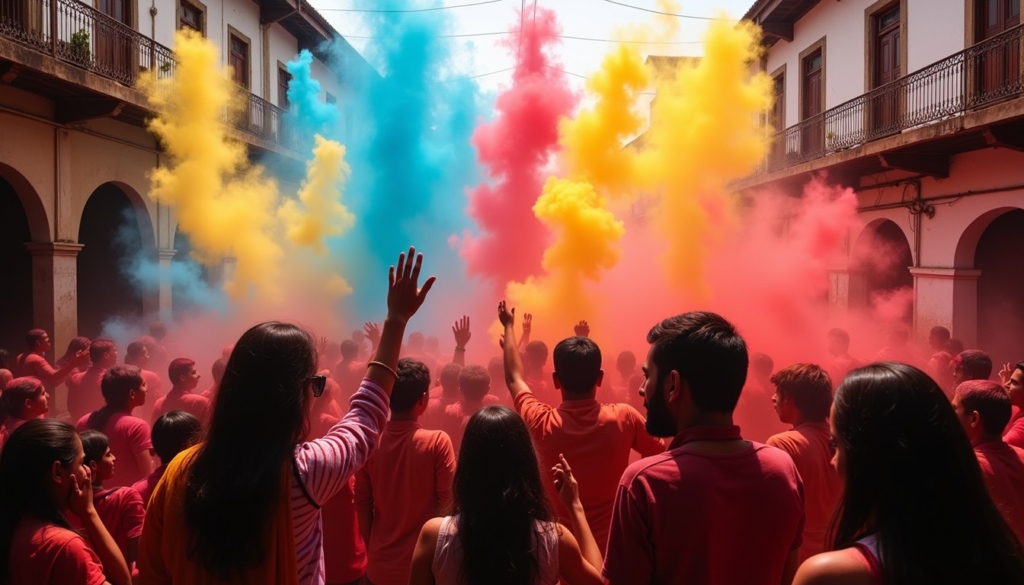
The colourful Festival of Colours, Holi, is certainly something you may experience if you’re in the Andaman Islands in February or March. Every year on the full moon day of the Hindu month of Phalguna, people from all walks of life come together to enjoy Holi with a splash of color, laughter, and fun.
People play with gulaal and water in the streets, their homes, and public places. The excitement is enhanced with dancing, music, along with sweet snacks like gujia . While some people go to temples to pray, others attend exciting get-togethers with friends and family. It is a lively celebration that spreads joy throughout the islands.
- Why is it celebrated: Welcomes spring and celebrates the victory of good over evil, along with the beautiful bond of Radha and Krishna.
- When It Happens: Takes place in March on the full moon day of the Hindu month Phalguna.
- How People Celebrate: People throw colours and water, enjoy music and sweets, and light bonfires on the night before to mark Holika Dahan.
4. Panguni Uthiram
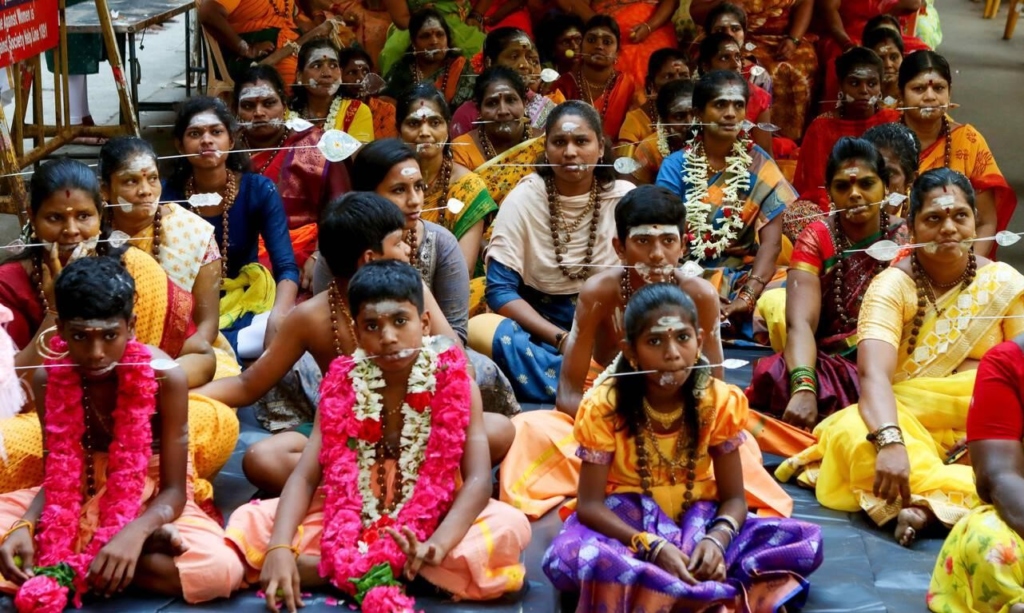
You can take part in the Panguni Uthiram holiday in the Andaman Islands in March or April, especially at the well-known Sri Vetrimalai Murugan Temple on Victory Hill. Lord Murugan is the son of Lord Shiva and Goddess Parvati, and this celebration has a lot of spiritual meaning for the people who live on the island.
The temple is beautifully decorated with lights and banners, and people of all religions come to pray. One of the most moving aspects of the event is the daily “Anna Dhanam,” when everyone who comes gets a free meal.
- Why is it celebrated: Marks the divine union of deities like Shiva and Parvati as well as honours Lord Murugan’s blessings.
- When is it celebrated: Celebrated in March or April, based on the Uttara Phalguni star in the Tamil calendar.
- How People Celebrate: Devotees visit temples, join processions, and symbolic weddings of the deities are performed with rituals.
6. Thai Pongal

The Tamil community celebrates Thai Pongal, a happy harvest holiday, in the Andaman Islands around the middle of January. The Tamil month of Thai begins on this day, which is also a time to offer gratitude to the Sun God for a generous crop.
You can see families gathering to prepare Pongal which is a warm, sweet dish prepared with milk, jaggery, and freshly harvested rice. The celebration is full of prayers, decorations, and a strong sense of community. This is a wonderful opportunity to observe how gratitude, tradition, and food unite the community.
- Why is it celebrated: A harvest festival that thanks the Sun God for a successful crop season.
- When is it celebrated: Celebrated in mid-January, at the start of the Tamil month of Thai.
- How People Celebrate: Families cook and offer the dish Pongal, decorate their homes, and gather for prayers and festive meals.
6. Durga Pooja
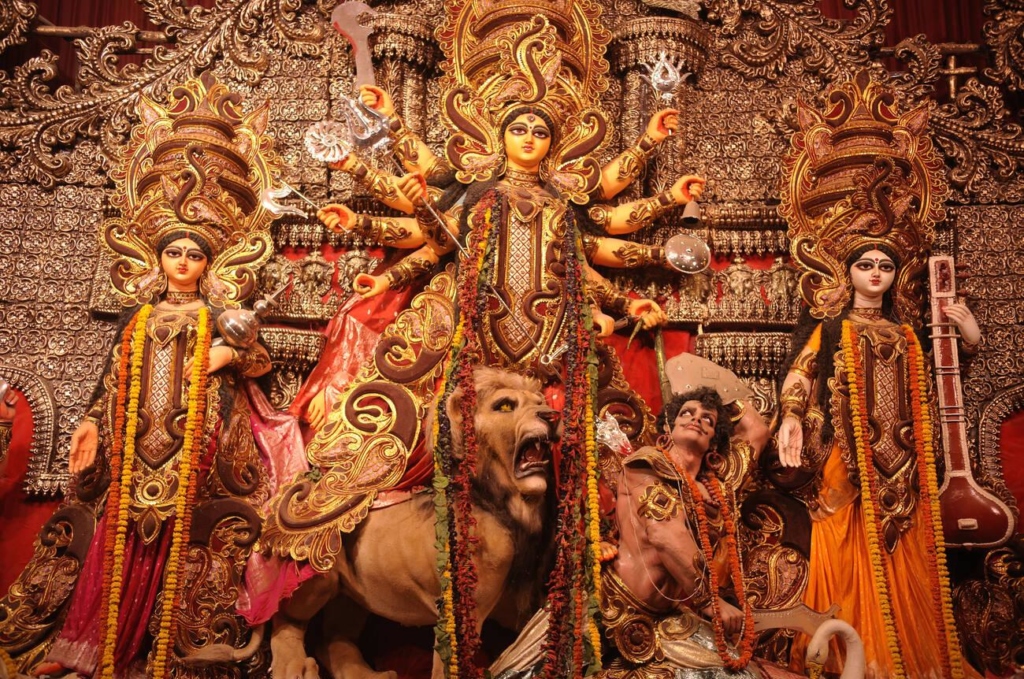
In the Andaman Islands, particularly from September to October, Durga Pooja is a significant Hindu festival that is observed with great energy. It is also called Nava Durga Pooja or Navaratri, and it lasts for nine days during the Hindu calendar month of Ashwin.
On the islands, beautiful clay statues of Goddess Durga and other gods like Ganesh and Murugan are made by Bengali clubs and other local groups. Daily customs, cultural performances, and communal feasts are all part of the festivities. Finally, on the last day the idols are carried in a big procession and submerged in water.
- Why is it celebrated: Symbolizes the victory of Goddess Durga over the demon Mahishasura, celebrating the triumph of good over evil.
- When is it celebrated: Observed in September or October, and ends on the tenth day of Ashvin which is known as Vijayadashami or Dussehra.
- How People Celebrate: Devotees worship idols, enjoy music and dance programs, and join in the final day’s immersion procession.
7. Sri Mariamman Thiruvizha
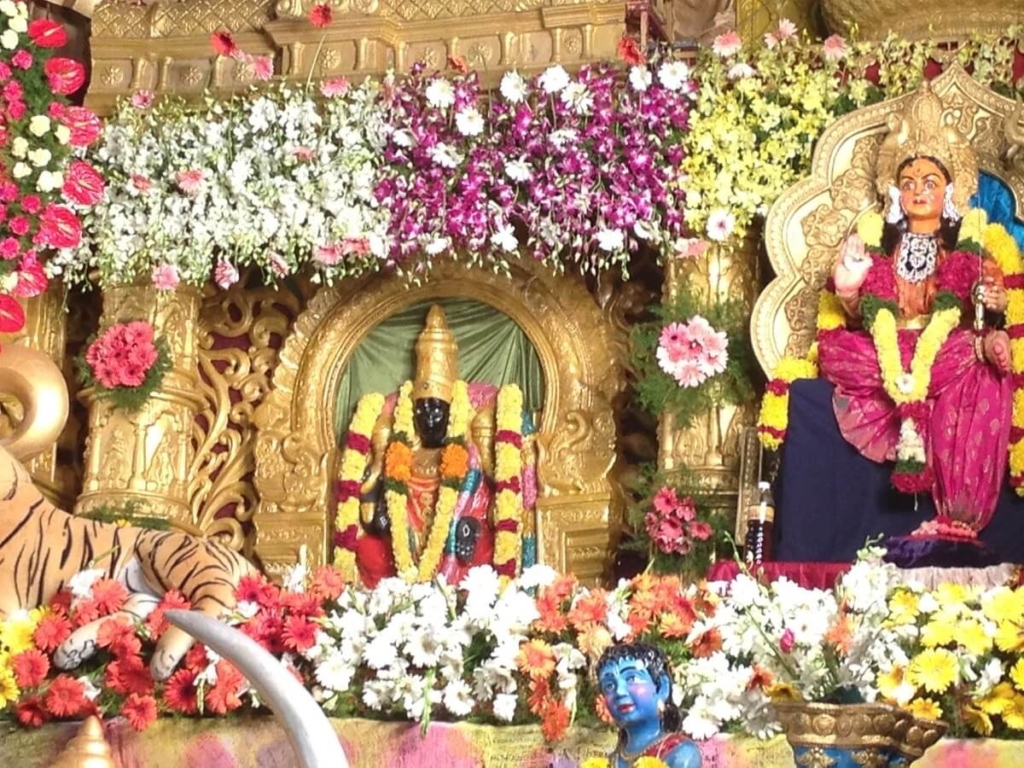
After Durga Pooja, Sri Mariamman Thiruvizha is one of the most significant festivals in the Andaman Islands which is observed with great devotion in February. The primary shrine devoted to the Goddess Arulmigu Sri MariammanNear Astinabad is approximately 6 km from Port Blair, near Chidiya Tapu.
The belief that the goddess protects everyone and keeps watch over the islands is shared by people of all religions. Throughout the celebration you can see the temple decked out with banners and lights besides daily poojas and aartis being conducted. In addition, you can see devotees participate in the customary fire-walking ritual as a way to show their faith and ask for favours.
- Why is it celebrated: Dedicated to Goddess Mariamman, believed to protect the islands and bless people with good health, rain, as well as safety.
- When is it celebrated: Celebrated annually in February.
- How People Celebrate: Devotees attend daily poojas, participate in fire-walking rituals, visit the temple to offer prayers in addition to taking part in ceremonies.
8. Island Tourism Festival
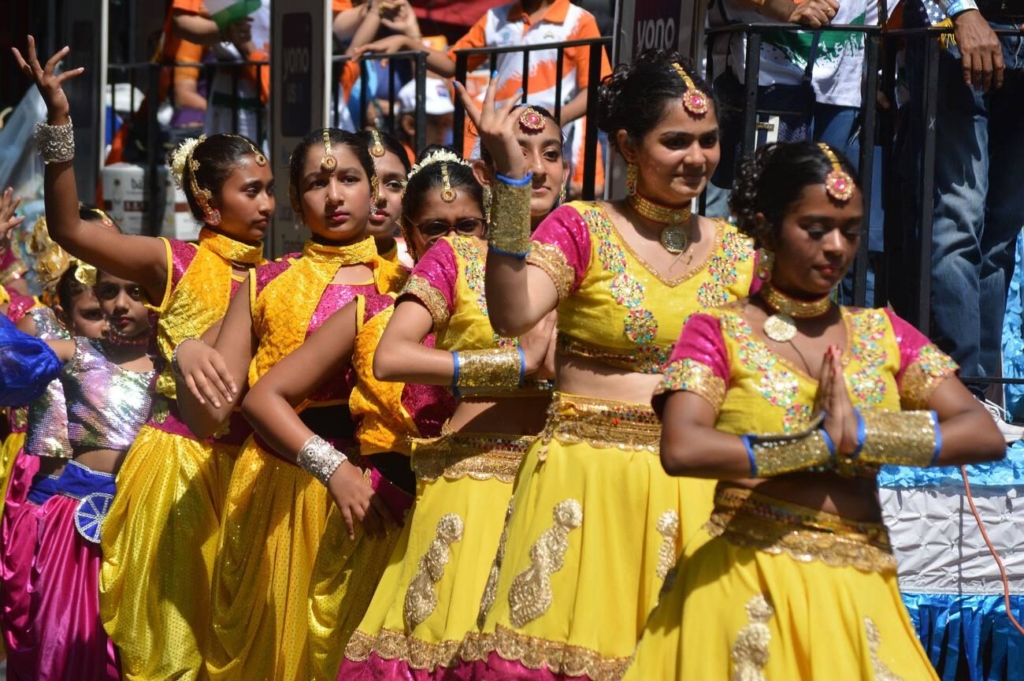
Every year, the Andaman and Nicobar Islands host the enthusiastic 10-day Island Tourism Festival. It is held on Port Blair, Neil Island, Havelock, Diglipur, Rangat, Mayabunder, Wandoor, and Car Nicobar during December or January.
The festival is a fantastic opportunity to take in the local cuisine, lively activities, and rich culture of the islands. Traditional dances, live music, puppet displays, dog and baby shows along with water sports are available for you to enjoy. Moreover, you can also purchase lovely handcrafted items created by local artists.
- Why is it celebrated: Brings people together to enjoy the culture, food, music, and traditions of the islands.
- When is it celebrated: Every year in December or January, for about 10 days.
- How People Celebrate: Attend dance and music shows, eat local dishes, try water sports, visit exhibitions, and enjoy family-friendly events like baby shows and trade fairs.
9. Beach Festival
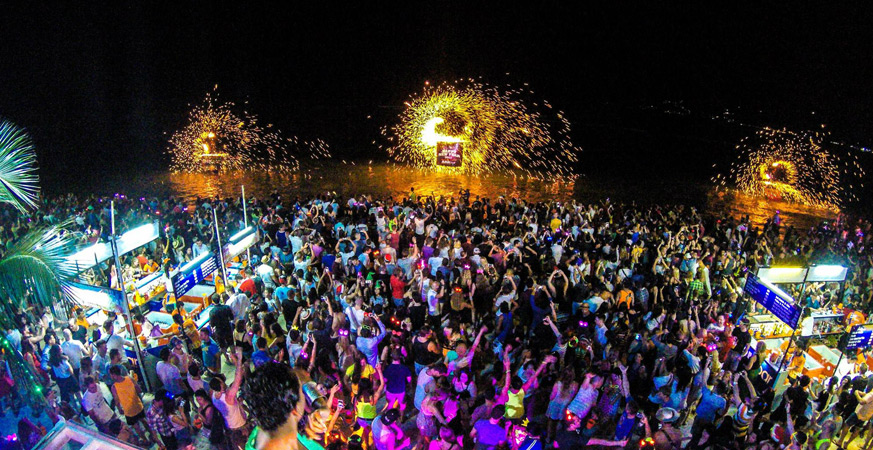
The Beach Festival is a fun summer event held in the Andaman and Nicobar Islands, usually in April. It marks the start of warm, pleasant weather and is all about enjoying beach life.
The festival takes place in coastal areas and offers fun beach games like volleyball, tug of war apart from kabaddi. You can also enjoy sand art, live music alongside many beachside activities. It is a great time for families, friends, as well as tourists to come together and celebrate the islands’ love for the sea.
- Why is it celebrated: Promotes beach fun and island culture through games, music, as well as outdoor fun.
- When is it celebrated: Usually held in April during the start of summer.
- How People Celebrate: Join beach sports, watch live music shows, as well as try sand art.
10. Monsoon Music Festival
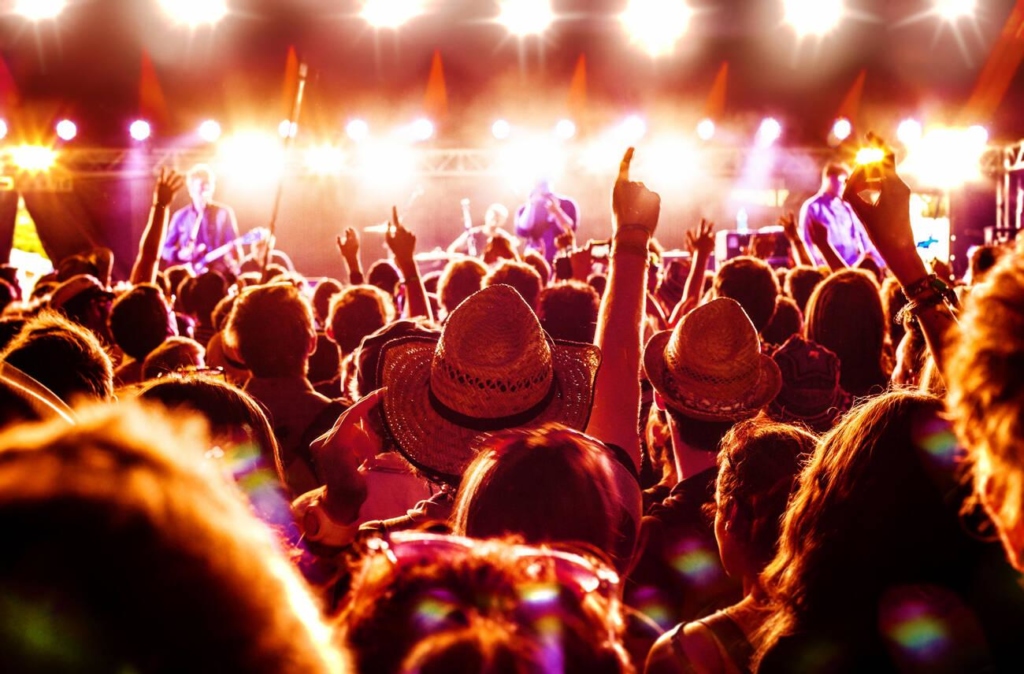
Held on the Andaman and Nicobar Islands during the rainy season, typically in June or July, the Monsoon Music Festival is a spectacular event. With performances by both local and mainland Indian musicians, it honours the love of music and rain.
Rock, folk, classical, and fusion music are among the genres featured at the festival, which is held at several locations, mostly in Port Blair. During this festival, you can dance in the rain, attend workshops, participate in jam sessions, and enjoy live music.
- Why is it celebrated: Showcases music talent and celebrates the monsoon with diverse music, dance, and cultural activities.
- When is it celebrated: Usually held in June or July during the rainy season.
- How People Celebrate: Enjoy folk to fusion music, join jam sessions, take part in workshops, and dance at rain parties.
11. Deepavali
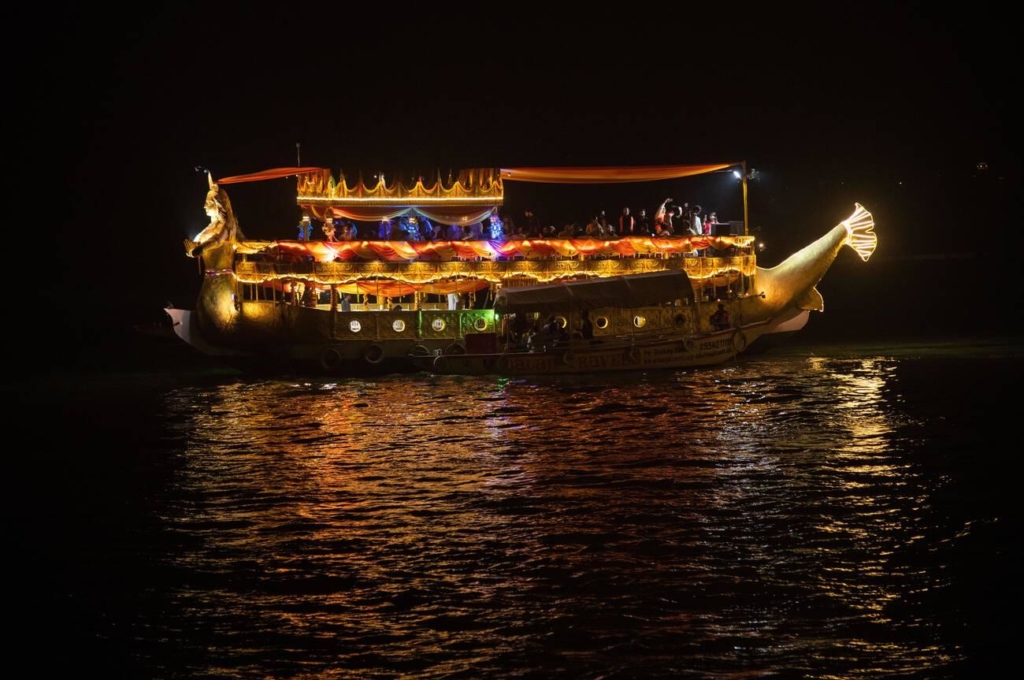
Deepavali, also known as the Festival of Lights, is a joyous occasion in the Andaman and Nicobar Islands which is typically celebrated in October or November.
As a sign of the victory of good over evil, it marks the return of Lord Rama, Sita, Lakshman, and Hanuman to Ayodhya after defeating Ravana. People clean, decorate their homes with lights, diyas, and rangoli, and wear new outfits. During the festival, you can set off firecrackers besides sharing sweets and gifts with your loved ones.
- Why is it celebrated: The return of Lord Rama and the triumph of light over darkness.
- When is it celebrated: Usually in October or November, on the new moon day of the Hindu month Kartik.
- How People Celebrate: Homes shine with diyas and rangoli, people wear festive clothes, enjoy sweets, exchange gifts, and celebrate with fireworks.
In the Andaman and Nicobar Islands, every event brings people together, from the lights of Deepavali to the beat of drums at the Monsoon Music Festival. In addition to being enjoyable, these events highlight island customs, music, dancing, and togetherness. You can always find something to do here, whether it is playing beach volleyball in April or listening to folk music while it rains. Plus, when the music stops and the last diya burns out, you still feel like you were a part of something special. So, pack your bags as there is always a festival waiting for you in the islands!
