

Quick Jumplinks to Navigate
Picture this-
Stepping through Fez’s labyrinthine medina, where 8th-century walls and the world’s oldest university whisper tales of ancient legacies….
Or
Gazing at Meknes’s monumental Bab Mansour gate, then strolling Rabat’s seaside Kasbah of the Udayas…
From Casablanca’s art-deco boulevards to the Atlas Mountains’ Berber villages, every guided step brings history alive in Morocco. Oh, and do not forget about the culinary magic and creative workshops of pottery making that promise to shade your travel experiences with vibrant colours!
All in all, Morocco is a treasure box that is always ready to surprise you with its marvels.
Ready to experience Morocco’s living and breathing essence?
So, which adventure will you choose first?
1. Dive into the cultural fabric and historical past of Morocco
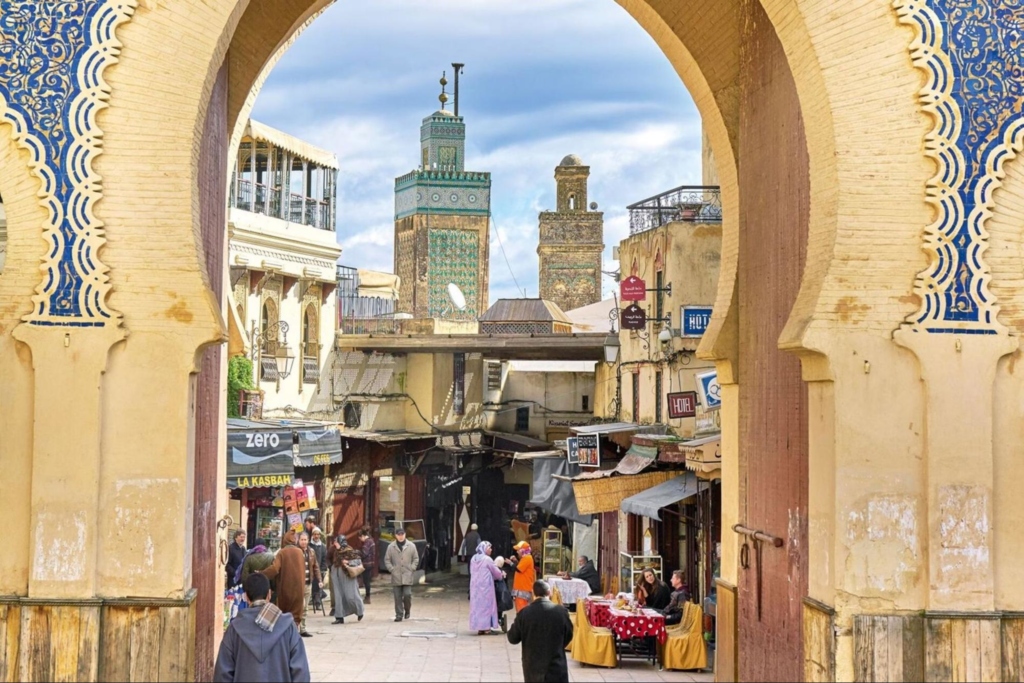
Since times immemorial, Morocco has witnessed a historical and cultural influence of Berber, Arab, Andalusian, and European identities. This has shaped the fabric of this destination as a diverse land, comprising rich traditions, folklore, architectural prowess, and much more.
But the question is, how can travellers exactly spot these intricate details?
Simple!
Guided sightseeing and excursions can tell you a lot about the land and its past. It can showcase how and why it stands as such an important African country, holding a significant place in both the Arab and Maghrib worlds.
Next question, which are the places that tell these tales? Let’s see-
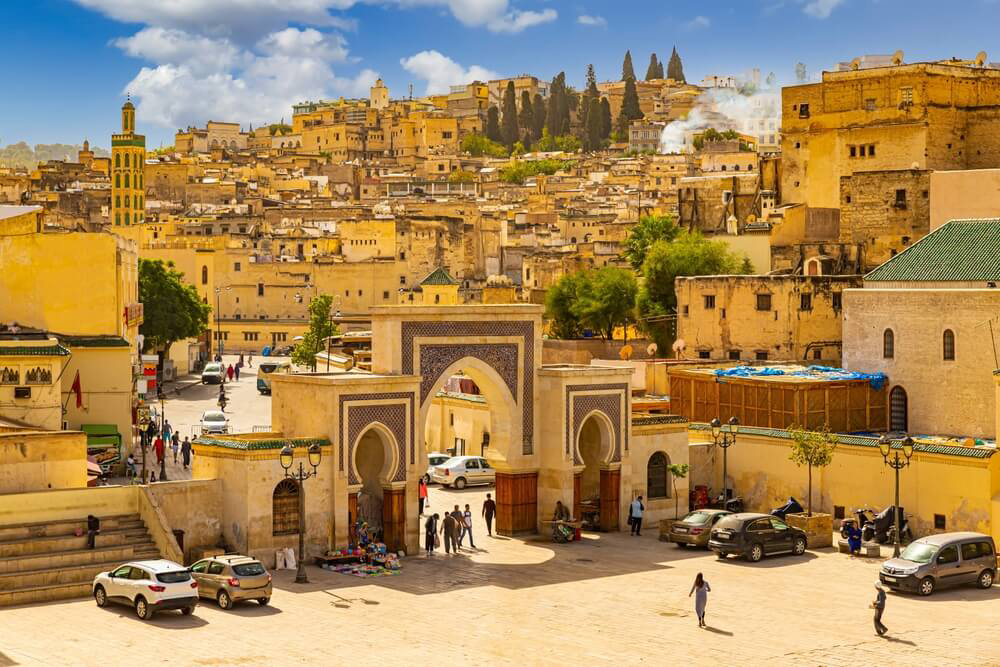
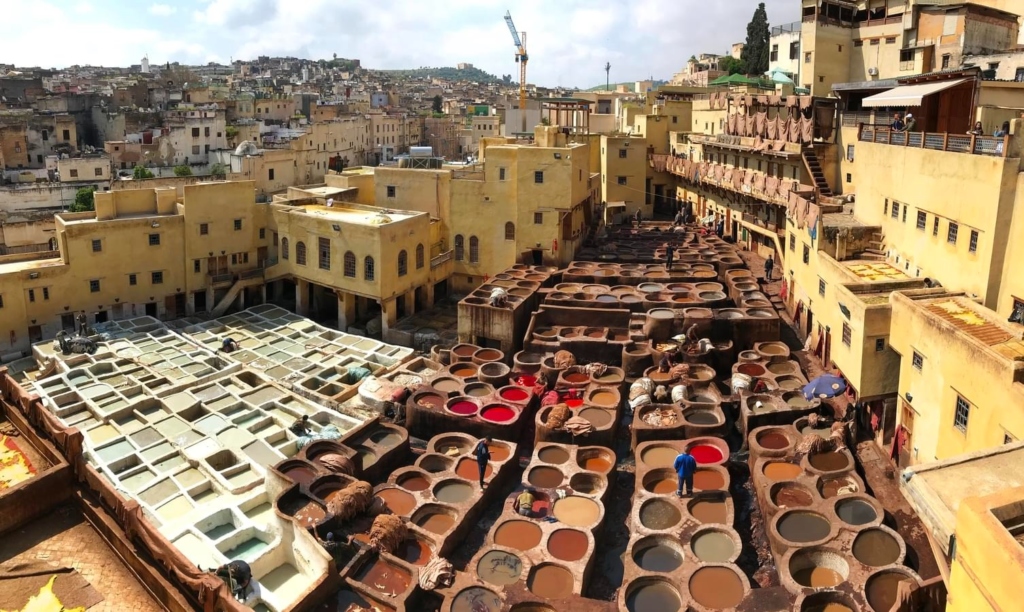
- Fez- Fez is Morocco’s oldest imperial city, founded in the 8th century. Its labyrinthine Fes el-Bali medina is home to the University of al-Qarawiyyin, the world’s oldest operating university. It is also a UNESCO World Heritage Site, immersing visitors in centuries-old spiritual and scholarly traditions. The city’s tanneries, ornate madrasas, and handicraft souks showcase living artisanal legacies, making Fez an unmissable cultural pilgrimage on your Morocco tour.
- Marrakech- Marrakech, Morocco’s first imperial city that was founded in 1070, dazzles travellers with its UNESCO-listed medina, where the famous Jemaa el-Fnaa square bustles with storytellers, performers, and spice-scented souks. Centuries-old landmarks like the Koutoubia Mosque’s soaring minaret and the opulent Bahia Palace stand as testaments to the Almoravid and Saadian dynasties.
- Meknes- One of Morocco’s four imperial cities, Meknes rose from an 11th-century Almoravid military outpost to become Sultan Ismail Ibn Sharif’s 17th-century capital. Adorned with grand gates and royal stables, its UNESCO-listed Ville Impériale boasts the monumental Bab Mansour gate and intricate zellij tilework, offering visitors a serene glimpse into Morocco’s Golden Age of architectural grandeur.
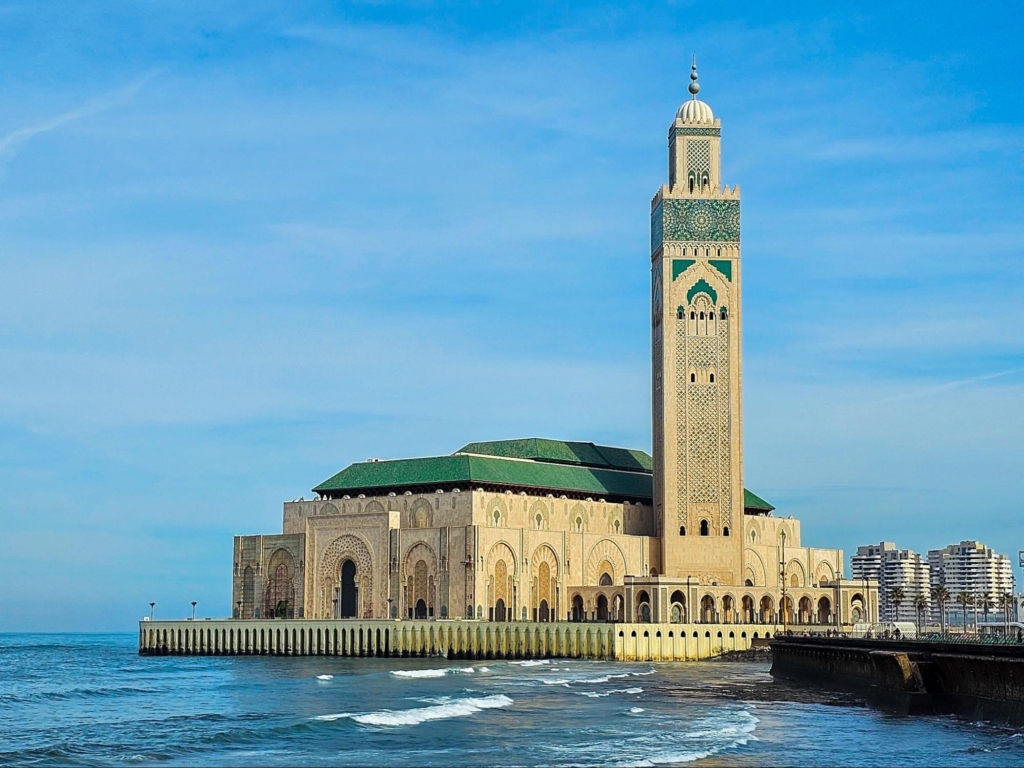
- Casablanca- The renowned city of Casablanca is Morocco’s economic powerhouse, showcasing the majestic Hassan II Mosque, which is home to the world’s second-tallest minaret. The city’s colonial-era Art Deco and Neo-Mauresque architecture, shaped by French urban planners such as Henri Prost and Michel Écochard, narrates Casablanca’s evolution from ancient Anfa to a 20th-century global port metropolis.
- Rabat- Rabat is the nation’s capital and an UNESCO site, boasting the 12th-century medina and seaside Kasbah of the Udayas. Its elegant French Protectorate avenues and the royal Mausoleum of Mohammed V also contribute to its magic. The harmonious combination of Arabo-Muslim heritage and Western modernism of Rabat invites visitors to explore centuries of Moroccan history.
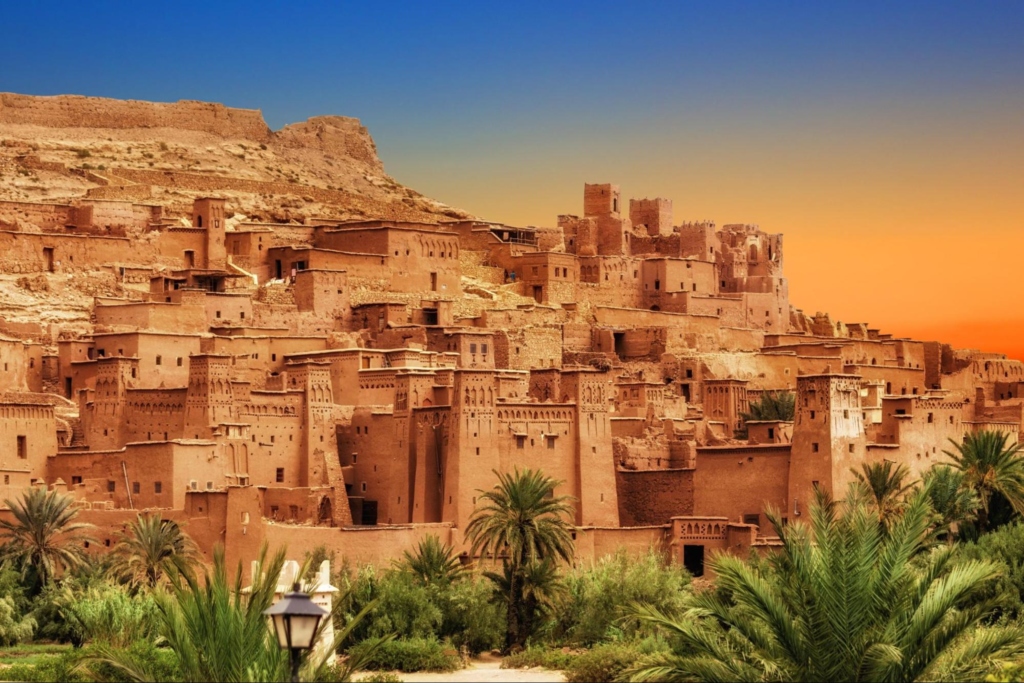
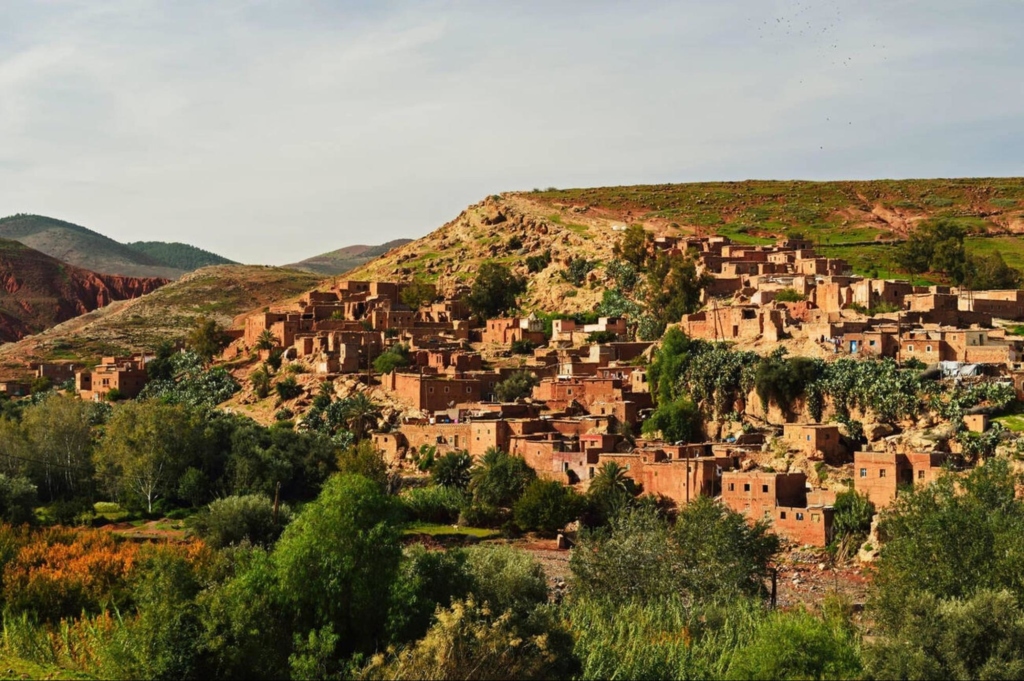
- Atlas Mountains- The Atlas Mountains are home to several Berber villages where indigenous traditions, from handwoven rugs to ancestral festivals, remain vibrantly alive amidst the snow-capped peaks. Trekking routes such as those leading to Ait Ben Haddou pass ancient kasbahs and offer intimate encounters with mountain hospitality, making the High Atlas an essential cultural and natural highlight of any Moroccan adventure.
Suggested Read: Places to Visit in Morocco
2. UNESCO Wonders of Morocco: A Journey Through Living History
Being one amongst the antique world civilisations, the region of Morocco was known as Mauretania back then. Over the years, as global interactions became more prevalent, the history of the land deepened…and today, there are 8+ awe-inspiring UNESCO World Heritage Sites here whose marvellous architecture and stunning ambience can make your heart skip a beat.
Exploring Morocco is also about witnessing its truth, and these heritage sites are surely going to offer you the most authentic experiences of understanding the essence of the land.
- Medina of Fez
- Medina of Marrakesh
- Ksar of Ait-Ben-Haddou
- City of Meknes
- Archaeological Site of Volubilis
- Medina of Tétouan (earlier called Titawin)
- Medina of Essaouira (previously called Mogador)
- Portuguese City of Mazagan ( also called El Jadida)
- Rabat, the modern capital of Morocco, and a historic city
3. Moroccan Mosaic Markets: Add Glitz and Glamour to Your Trip
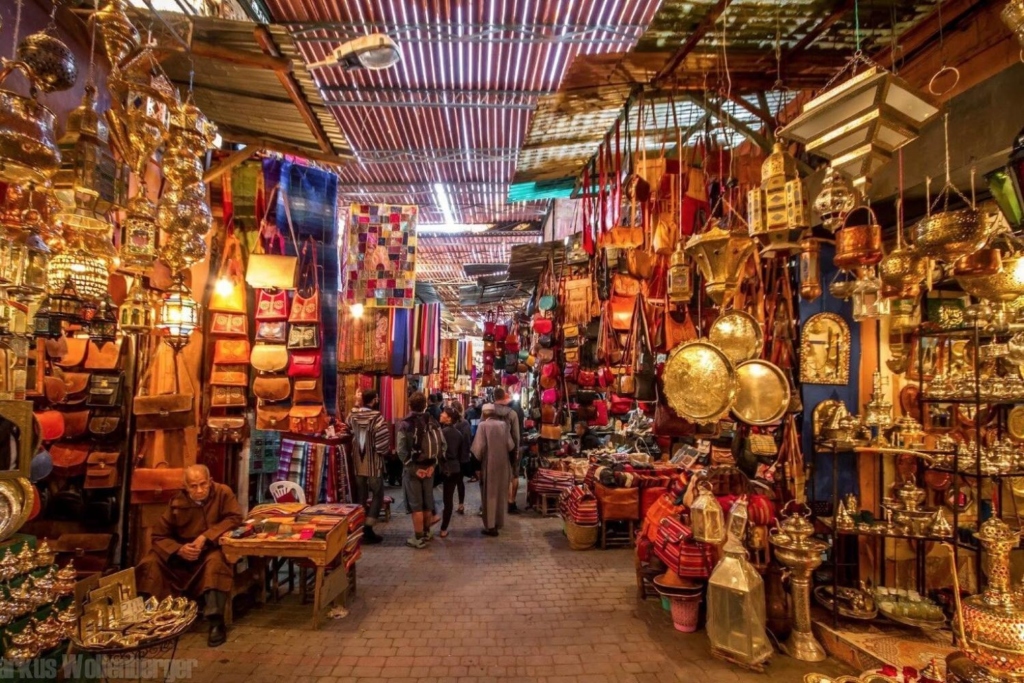
When in Morocco, shopping for traditional artefacts and having quality conversations with the local artisans can give you an insight like no other. The items for sale in the souks and bazaars tell you much more than the resources and livelihood of the land- they tell you about the artistic flair of the region and the brilliance of their creativity.
Travellers visiting Morocco can layer up their trip with a lively experience of exploring the vivid and energetic marketplaces of the destination, and have an exhilarating experience.
- Souk el Had, Agadir- Being the largest marketplace in Morocco, you can get your hands on some amazing local items from the 6,000+ shops here! Yes, you read it right. From spices and tagine pots to pure Argan oil, you can shop for authentic Moroccan products here.
- Fes Medina Market, Fes- Being one of the largest and oldest marketplaces in the world, the Fes Medina market can offer you a variety of metalworks, leather goods, lattice-work lamps, handcrafted rugs, and much more. You can also witness rug-making processes if you are visiting the artisan workshops here.
- Souk Semmarine, Marrakech- This iconic market in the heart of Marrakech’s Jemaa el-Fna square is a heritage site, popular with tourists and locals alike. This expansive market not only offers a wide range of Moroccan products/crafts, but also gives you the chance to watch storytellers and acrobatic performances, while trying delicious street food.
4. Cultural Experiences To Take Your Morocco Holiday A Notch Higher
To have a deeper knowledge of Morocco’s artistic and cultural heritage, you can take up various workshops and activities and level up your journey. The activities may range from engaging workshops and art classes to relaxing spa massages.
- Take part in pottery classes and weaving workshops in Marrakech- Pottery-making and hand-weaving with wool, cotton fibre or camel hair are two of the most prevalent handicraft industries in Morocco. So, if you are willing to spend a leisure day in an innovative and creative way, you can enroll in these classes.
- Make your own Argan Oil in Marrakech- Learn about the art of extracting and preserving argan oil, one of the most premium products of Morocco, with your own hands. You can enjoy this activity while sipping on Moroccan tea and interacting with locals about this age-old process.
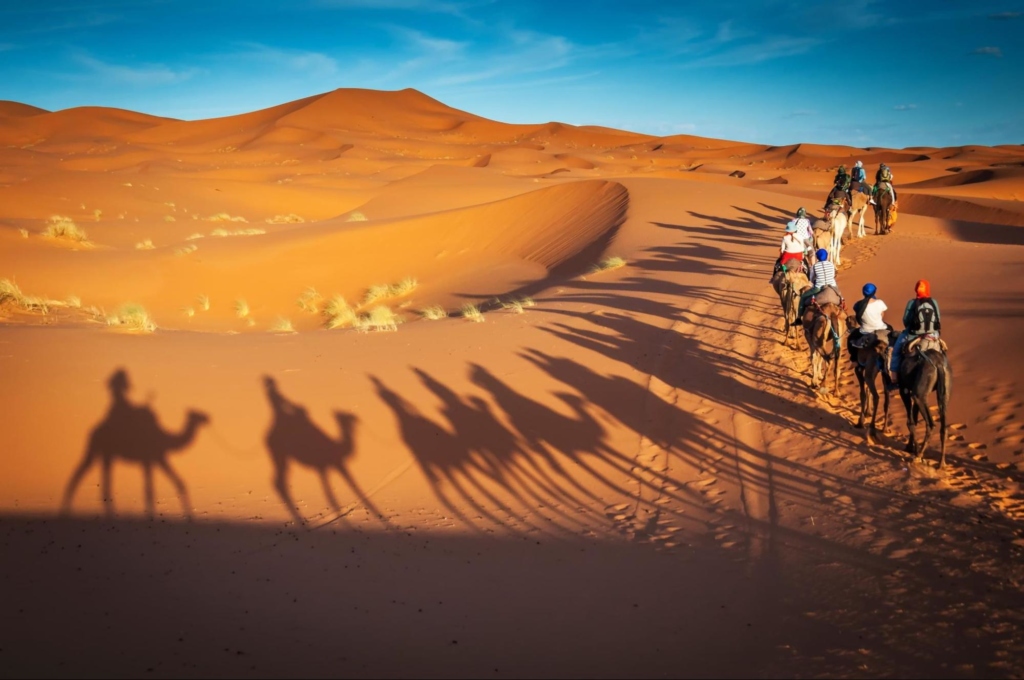
- Go for camel riding in Zagora Desert- Experience one of the most breathtaking activities of camel riding in the world’s largest desert- the Sahara- while exploring Morocco. You can also opt for campstays and quad biking here, enhancing your vacation to a whole new level!
- Enrol in Babouche and mosaic making workshops for a unique time- Make Babouche leather slippers and mosaic art pieces to get a hands-on experience of Moroccan artistry. This activity not only tells you about the rich art heritage of the place, but also gives you a comprehensive idea of Moroccan aesthetics.
- Go for guided souk tours and Hammam Spas on a mesmerising day out- Why guided tours of souks? So that you can get your hands on the best products at the best prices, and also learn about the history of the crafts and art products of Morocco. From there, you can head out to a Hammam and end your day with a relaxing massage and spa session.
5. Culinary journeys that tickle all your senses, in just the right way!
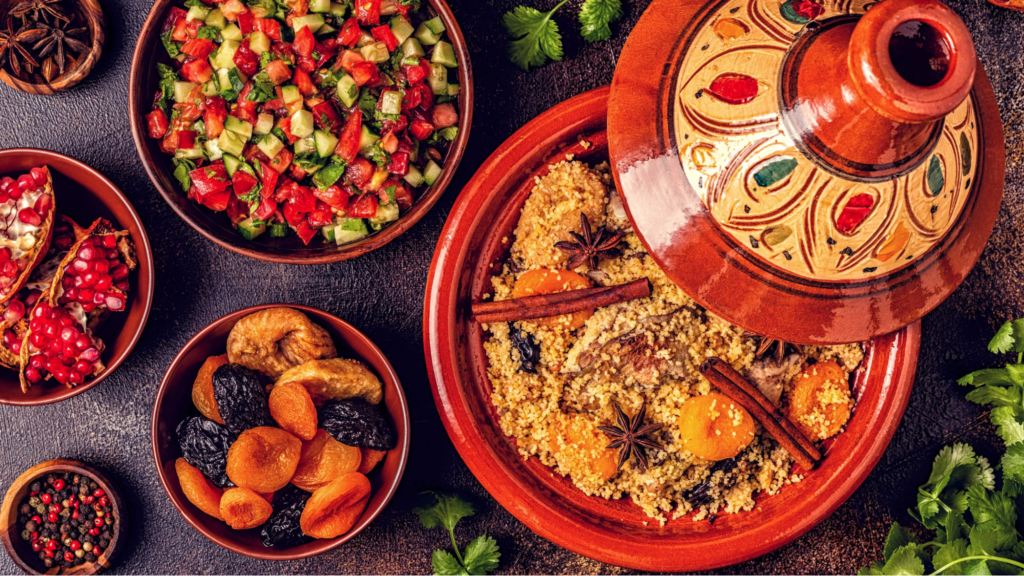
From aromatic spices to delectable meat preparations, the gastronomic heritage of Morocco is one of a kind. The cuisine is derived from a combination of Berber, Arab-Andalusian, and Jewish culinary traditions, all of which left their imprints on Morocco through historical encounters. That is precisely why Moroccan cooking traditions stand out as one of the most impressive ones in the world, and these dishes are proof of that-
- Couscous: Moroccan couscous features coarsely rolled durum wheat semolina steamed repeatedly in a cooker, seasoned with the spices of ras el hanout and saffron. The result is a light, fragrant grain that soaks up rich broths and makes for a finger-licking meal.
- Tajine: Named after its conical earthenware vessel, Moroccan tagine is a slow-cooked meat and vegetable stew that is cooked under low heat, infused with the aromatic spices of cumin, coriander, ginger, and saffron.
- Mrouzia: Mrouzia, also known as M’assal in Rabat, is a royal sweet-and-savoury lamb tagine seasoned with ras el hanout, cinnamon, saffron, almonds, and honey, slow-braised until tender. This embodies Morocco’s centuries-old festive flavours, making it a must-try on your Morocco trip.
- R ’fissa: R’fissa is a traditional Fez dish often made during festivals and celebrations. It layers slow-stewed chicken and lentils in a saffron-infused broth over shredded msemmen bread, seasoned with fenugreek seeds and ras el hanout.
- Smen: Smen, originating in northern and central rural Moroccan kitchens, is a salted and fermented clarified butter aged weeks to months. It offers pungent, cheesy notes that enrich tagines, couscous, and traditional dishes of Morocco.
- Khlii: Khlii (Khlea)- This is a Moroccan preserved dry meat from the Atlas and Souss regions, often made with sun-dried, garlic-and-cumin-marinated beef or lamb, which is cooked and stored in seasoned fat.
Parting Thoughts…
Still can’t get enough of the magical charm of Morocco? Even we can’t!
This is a land of stories, of legends, of traditions and heritages that all speak of a historical discourse that remains significant till date. This discourse has not only shaped the identity of the entire North Africa, but it has also made Morocco one of the most interesting places to visit for tourism.
Be it a camel ride in the Sahara or an artistic workshop of mosaic making, there are numerous activities to do for travellers that can bring out the best of the destination! Upon that, you can also learn about the Kasbahs, the ancient civilisation of the Berber, and witness the Arab-Andalusian influences on its mosques and architecture while exploring its UNESCO sites and age-old cities.
If you are a true globetrotter at heart, and if you are willing to expand your vision on the cultures of the world, then Morocco can be your best choice of travel destination. And to make your trip seamless, Thrillophilia’s Morocco tour packages are here to take care of all your arrangements, from hotel bookings to airport transfers and guided sightseeing tours!
So, give in to the will of your heart and let the colours of Morocco fill you with happiness, excitement, and wonder!