


What is the Difference Between - Annapurna Circuit Trek vs Everest Base Camp?
While both the Annapurna Circuit Trek and the Everest Base Camp trek offer a lot of fun and thrill to the trekkers, they tend to make for some varied experiences. These experiences can be differentiated in terms of terrain conditions, food and water supply, accommodation facilities, level of difficulty, the best time to trek, and the ways of reaching there.
- Getting There
Annapurna Circuit Trek
The lake city of Pokhara forms the gateway to the Annapurna region whereas Besisahar or Syange form the starting point for the Annapurna Circuit Trek. The travelers can take a flight from Kathmandu and reach Pokhara. From Pokhara, they can take a local bus or private cab to directly arrive at Syange or Besisahar.
Everest Base Camp
The town of Lukla forms the gateway to the Everest Base Camp. So, you can take a flight from Kathmandu and reach Lukla. Another alternative route you can follow is by taking a bus from Kathmandu to Jiri and walking amidst rich scenic beauty to reach Lukla from there. Travelers can even start their trekking to Everest Base Camp from the Jiri route itself.
- Terrain Conditions
Annapurna Circuit Trek
The Annapurna Circuit Trek is counted among the best treks of the Annapurna region. The amazing trek passes via many different terrains, starting from glaciers to lowland villages and offers spectacular sights of lofty snow-clad mountains. The trekkers will find considerably good terrains all through the trail. They can easily and comfortably trek for around five to six hours a day, halting to take rest and trying to acclimatize. This ensures that the trekkers are healthy, fit, and fresh in the upper regions. One can find gentle descents and a few steep climbs along the trail of the trek, which help keep away pressure from the knees.
Everest Base Camp
The Everest Base Camp trek has gained a lot of popularity all over the world for its legendary trails and mesmerizing sights of the snow-clad pinnacles. This trek passes via dense forests and river gorges and terrains are marked by high ridges. The trek takes the hikers through the well-known Namche Village and a plethora of age-old monasteries. The trekkers will also pass through the Sagarmatha National Park, which is covered with umpteen varieties of unique fauna and flora. Before they finally arrive at the Everest Base Camp, the trek will take the travelers via the smooth countryside terrain of Sherpa Villages, Tengboche, Lobuche, Gorakshep, and Dingboche.
- Accommodations
Annapurna Circuit Trek
The Annapurna Circuit is more remotely located in comparison to the Everest Base Camp. Hence, the region has only basic accommodation facilities. You would not find any lavish guest houses offering luxurious amenities. The trekkers need to wind up for the day and rest in the small tea houses and lodges which usually offer shared bathrooms. Many of the bathrooms are equipped with western toilets.
Everest Base Camp
The Everest Base Camp trek is packed with a higher number of accommodation facilities in comparison to the Annapurna Circuit Trek. There are a plethora of standard to decent tea houses for the trekkers to choose from. However, as the hikers ascend to the upper regions of the trek, the number of accommodation facilities available start thinning out and becoming more basic.
- Food And the Water supply
Annapurna Circuit Trek
The Annapurna Circuit Trek offers top-quality food and water supply. Each day, after you wind up your trekking, you can experience the delight of traditional Napalese delicacies. The trekkers love to end their day by relishing a plate of ‘Dal Bhaat’, the very fulfilling Nepalese meal. They also like to have some garlic soup which acts as an important remedy for the cold as well as for altitude sickness. When in the lower altitude region, the trekkers can get to enjoy porridge, oatmeal, Tibetan bread, boiled eggs, momos, sandwich, and noodle soup.
Everest Base Camp
In the Everest Base Camp trek, the trekkers can enjoy more or less the same food and drinks facilities like that of the Annapurna Circuit trek. However, the price of the food items served at the former trek is much higher in comparison to that of the latter.
- Difficulty Level
Annapurna Circuit Trek
The Annapurna Circuit Trek is moderately difficult with moderate trails and a lot of highs and lows. The terrains are moderately smooth in the lower regions and become a bit steep in the high altitude region. Furthermore, the Annapurna region has a spectrum of trekking trails and the trekkers can even get the chance to select an easy and short route.
Everest Base Camp
The Everest Base Camp trek is a bit more challenging in comparison to the Annapurna Circuit Trek. That said, one of the major factors deciding the level of difficulty of this trek is the lofty altitude. With the increasing height, the chance of high altitude sickness also increases.
The trekkers will hike up to 3420 meters in two days on the Everest Base Camp trek whereas they will trek this height in six days on the Annapurna Circuit Trek.
- Best Time for Trekking
Annapurna Circuit Trek
The best time for trekking the Annapurna Circuit Trek is autumn (Late August to Early November) and spring (Early March to Late May). While autumn offers smooth trails, amazing scenery, and clear views of the Himalayas, spring offers moderate trails and colorful flowers. Experienced trekkers also visit the Annapurna Circuit Trek during the winters (November to January) in order to enjoy the snow-clad winter trek.
Everest Base Camp
The best time for trekking the Everest Base Camp trek is also autumn (Late August to Early November) and spring (Early March to Late May). While spring offers clear skies, non-slippery trails, and beautiful flora, autumn offers splendid temperatures, warm weather, and clear views of the mountain peaks. Seasoned trekkers can also trek the Everest Base Camp trek in the winter season (November to January) to experience winter trekking on the snowy trails.
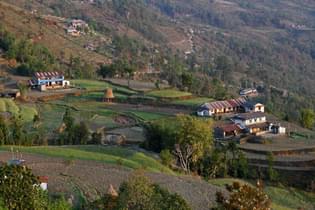
Kimche Village
Surrounded by verdant hills and terraced fields, this picturesque village provides a glimpse into traditional Nepalese culture and lifestyle. Visitors can immerse themselves in the warmth of local hospitality while exploring quaint stone houses, vibrant prayer flags, and ancient monasteries. Kimche serves as a gateway to popular trekking destinations like Ghandruk and Annapurna Base Camp, making it an ideal starting point for adventure enthusiasts. With its breathtaking mountain views and tranquil ambiance, Kimche Village promises an unforgettable experience for nature lovers and trekkers alike.Also Checkout: Nepal 5 Days Tour Package
Read More
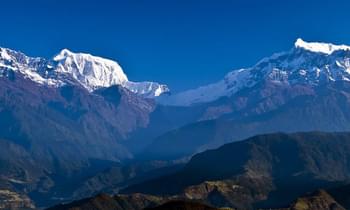
Macchapuchre Range
Also known as the "Fish Tail Mountain," this majestic range features the iconic Machapuchare peak, which stands at an elevation of 6,993 meters (22,943 feet). Its distinctive double summit resembles the tail of a fish, contributing to its mythical allure. The Machapuchare Range offers breathtaking vistas of snow-capped peaks, deep valleys, and pristine alpine landscapes, attracting trekkers, mountaineers, and nature lovers from around the world. Its serene ambiance and spiritual aura make it a cherished destination for both adventure and introspection.Check out Now: 10 Days Nepal Tour Package
Read More
.jpg?w=350&h=210&dpr)
Cho Oyu
Cho Oyu, situated in the Himalayan region, is renowned as the sixth highest peak globally, soaring to an impressive elevation of 8,188 meters. Its name translates to "Turquoise Goddess" in Tibetan, reflecting the stunning glacial hues that adorn its slopes. Popular among mountaineers, Cho Oyu presents a challenging yet rewarding ascent, offering breathtaking panoramic views of the surrounding Himalayan peaks. Its relatively less technical routes make it an attractive choice for climbers aiming to summit one of the world's highest peaks.The journey to Cho Oyu involves traversing rugged terrain, navigating crevasses, and braving high altitudes, making it a test of endurance and skill. Despite the challenges, the allure of standing atop this majestic peak and soaking in the Himalayan grandeur continues to draw adventurers from around the globe, making Cho Oyu a coveted destination for alpine enthusiasts seeking an unforgettable mountain experience.
Read More