Neolithic flint mines stand as testament to the resourcefulness and industriousness of ancient human societies during the pivotal transition from hunting and gathering to settled agriculture. Dating back approximately 10,000 to 4,500 years ago, these mines represent early attempts at systematic resource exploitation and tool production. Scattered across diverse landscapes, from the chalk downs of England to the limestone formations of the Levant, Neolithic flint mines were strategically located near rich deposits of this valuable raw material.
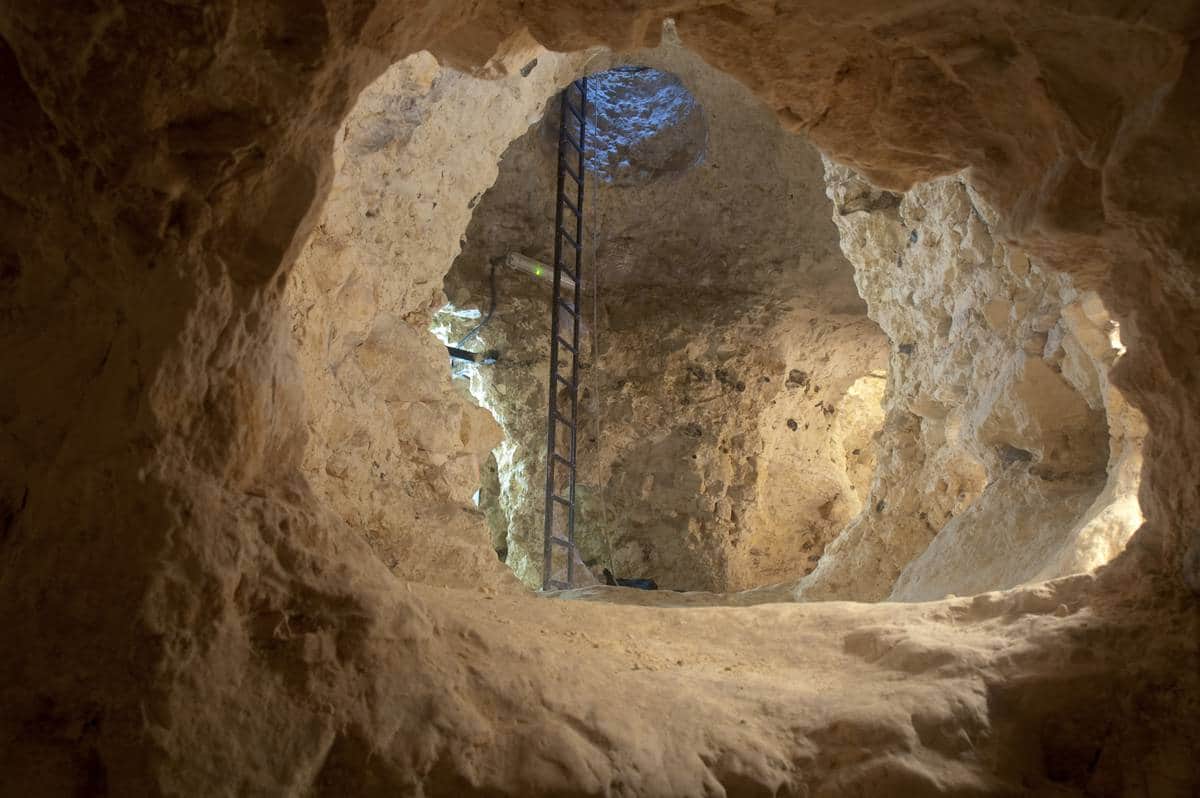
The extraction of flint was a labor-intensive process, often involving techniques such as shaft mining and quarrying. In shaft mining, vertical tunnels were dug into the earth to access deeper layers of flint, while quarrying involved the extraction of flint from surface outcrops or shallow pits. These methods required considerable effort and coordination, suggesting a level of social organization within Neolithic communities.
Flint, prized for its hardness and ability to hold a sharp edge, was essential for crafting a variety of tools, including axes, knives, and scrapers. The availability of flint played a crucial role in shaping Neolithic economies and technological advancements, facilitating activities such as agriculture, woodworking, and animal husbandry.
Archaeological excavations at Neolithic flint mines have revealed valuable insights into ancient mining techniques, social structures, and trade networks. These sites continue to be studied by archaeologists, offering a window into the lives and achievements of our prehistoric ancestors.