Opening time- 6:00 AM - 7.30 PM
Prime days and hours- Monday, Morning and Evening
Suggested Duration- 1-2 hours
Tickets- Free Entry
Nearest Railway Station- Rishikesh Railway Station, about 247 km
Nearest Bus Stand- Joshimath Bus Stand, about 850 m
Nearest Airport- Jolly Grant Airport, about 264 km
Narsingha Temple is also known as Narasimha Badri Temple, deeply rooted in the Hindu mythology. The temple is dedicated to Lord Narsingh, an avatar of Lord Vishnu. Lord Narsingh took this form to protect his devotee Prahlada from his tyrannical father, Hiranyakashipu.
The idol of the deity Narasimha made of Shaligram stone measures around 10 inches and represents God seated in the lotus position. It is believed that the Narsingha temple was constructed by Sri Shankaracharya, holding great significance for followers of Vaishnavism, especially those undertaking the Char Dham Yatra.
As per tradition, Badrinath temple remains closed during the winter months, and it’s at this time that the idol of Badrinath is brought to Narsingh Temple for worship. This further elevates the religious importance of the temple for the visitors and devotees.
Every day, multiple rituals are performed here, from the early morning aarti to evening prayers. For those interested, some of the key rituals include offering Prasad to Lord Narsingh and performing the ceremonial abhishek to the deity. These practices are simple yet deeply symbolic, representing the power and protection of Lord Vishnu.
• Visit the Narsingha Temple in Joshimath, Uttarakhand, dedicated to Lord Narsimha, the fourth incarnation of Lord Vishnu.
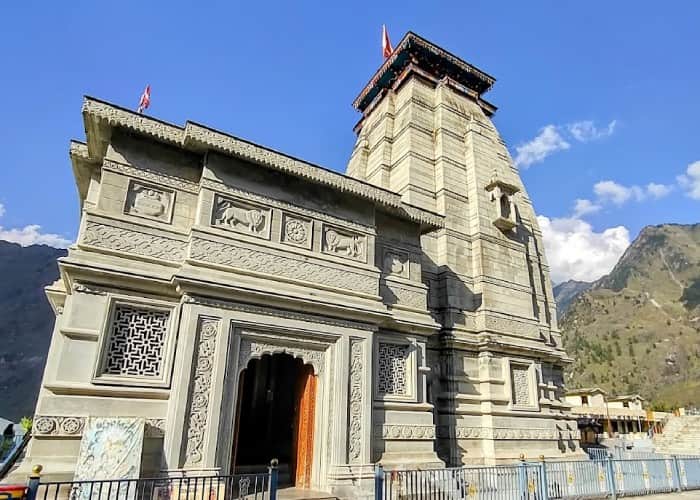
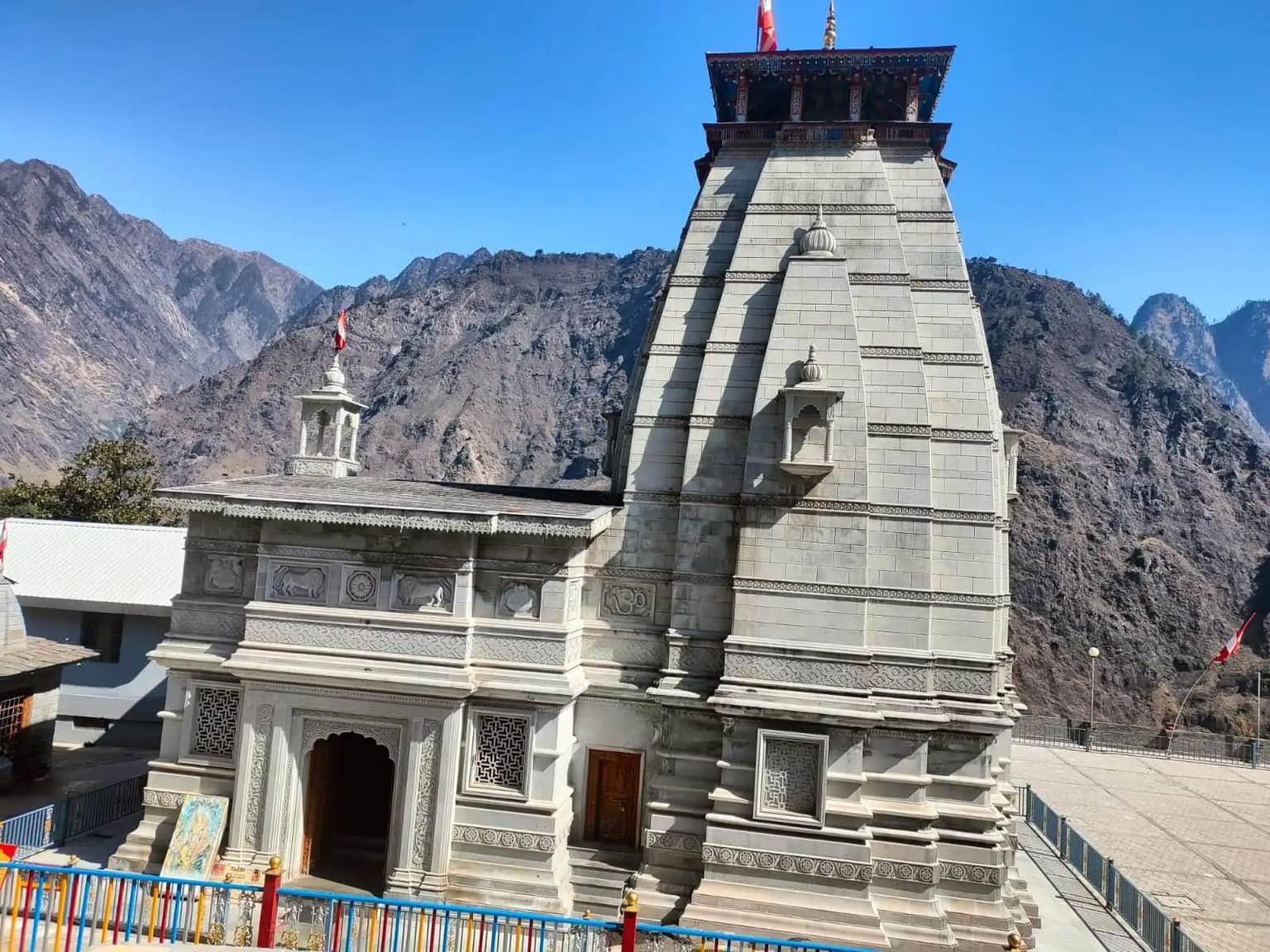
• Admire the architectural beauty of the temple with walls adorned with intricate carvings that depict various mythological stories.
• Take part in the multiple rituals performed here every day, from the early morning aarti to evening prayers.
By Car- You can reach Narsingha Temple from Chamoli District via NH7, which is about 100 km away, taking approximately 3 hours to reach.
By Bus- You can also reach the temple via a bus to the Joshimath Bus stand, which is at a distance of 300 metres from the temple, taking 5 minutes to reach.
Peak Season- (April to August)
Weather insights- Pleasant and moderate climate with temperatures ranging from 15°C to 20°C.
Things to do- Attend the festival of Narsimha Jayanti held annually in April.
Moderate Season- (September to November)
Weather insights- Inadequate rains with temperatures ranging from 12°C to 17°C.
Things to do- Enjoy activities like skiing and snowboarding in the town.
Low Season- (December to March)
Weather insights- Chilly days with temperatures ranging from 10°C to 4°C.
Things to do- Visit the temple amidst fewer crowds.
Know before you go-
As you visit the temple, you’ll witness the striking architecture adorned with intricate carvings and ornate sculptures. The temple's stone walls and wooden pillars stand tall, resonating with centuries-old craftsmanship. The exquisite carvings narrate tales from Hindu mythology, telling stories about the temple's rich cultural heritage.
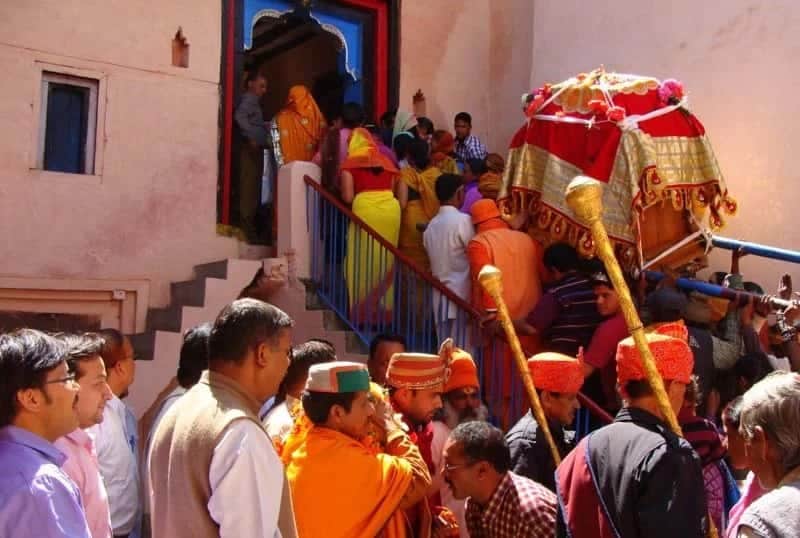
Narsingha Temple is a peaceful and spiritual place that attracts devotees with many rituals every day. Daily rituals begin with a morning aarti and continue with evening prayers, making the temple vibrant with religious energy throughout the day. One of the most beautiful experiences here is attending the evening aarti, which leaves a lasting impact on the visitors.
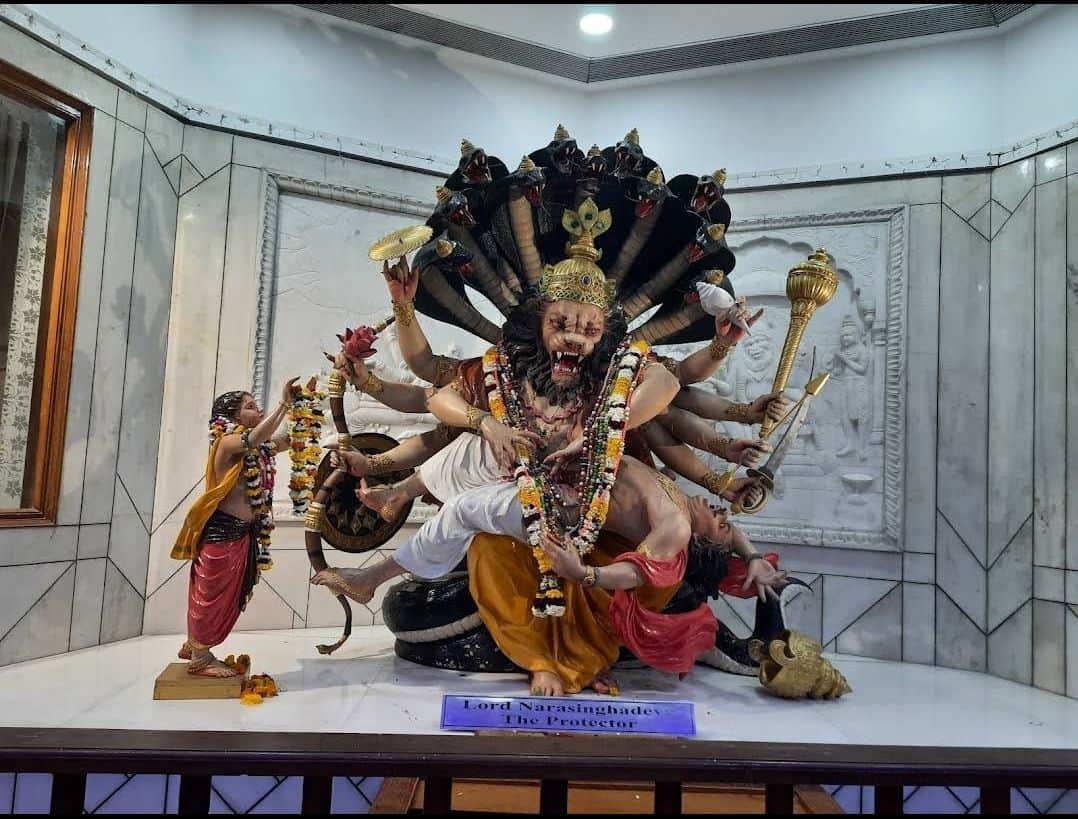
The Narsingha Temple is dedicated to Lord Narsingh, an avatar of Lord Vishnu. Lord Narsingha took this form to protect his devotee, Prahlada, from his father, Hiranyakashipu. The history of Narasingha temple is also closely linked to the legend of Bhavishya Badri temple. It is believed that the statue’s left arm will decrease over time and eventually disappear. The main temple of Badrinath and the sanctuary of Badrinath will be blocked and inaccessible. Lord Badrinath will then appear in the Bhavishya Badri temple, and instead of the Badrinath temple, they will be worshipped in Bhavishya Badri.
The story of the Narsingha Temple in Joshimath revolves around Lord Narsimha, the fourth incarnation of Lord Vishnu, and his role in protecting his devotee Prahlada. The temple is believed to have been established by Adi Shankaracharya during the 8th century. A local belief says that when the right arm of the deity breaks, it will mark the time to shift Lord Badrinath to Bhavishya Badri.
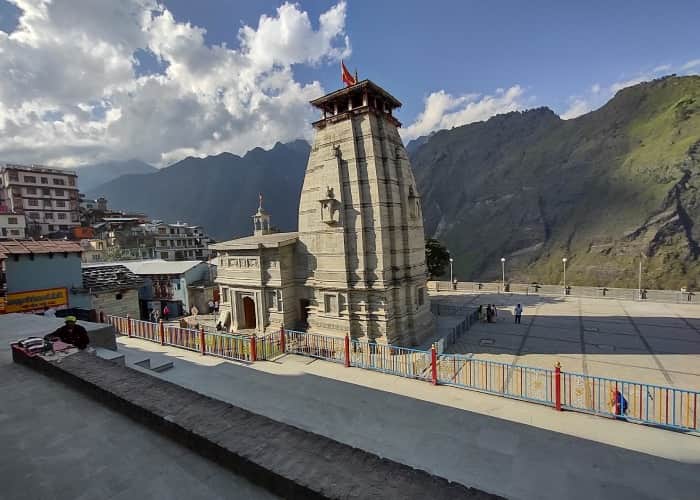
The Narsingh Temple is located in the lower bazaar region of Joshimath, in the Chamoli district of Uttarakhand. The temple is also known as the Narsingh Badri Temple. You can reach the temple from Chamoli via NH7, covering a distance of around 100 km in approximately 3 hours by road.
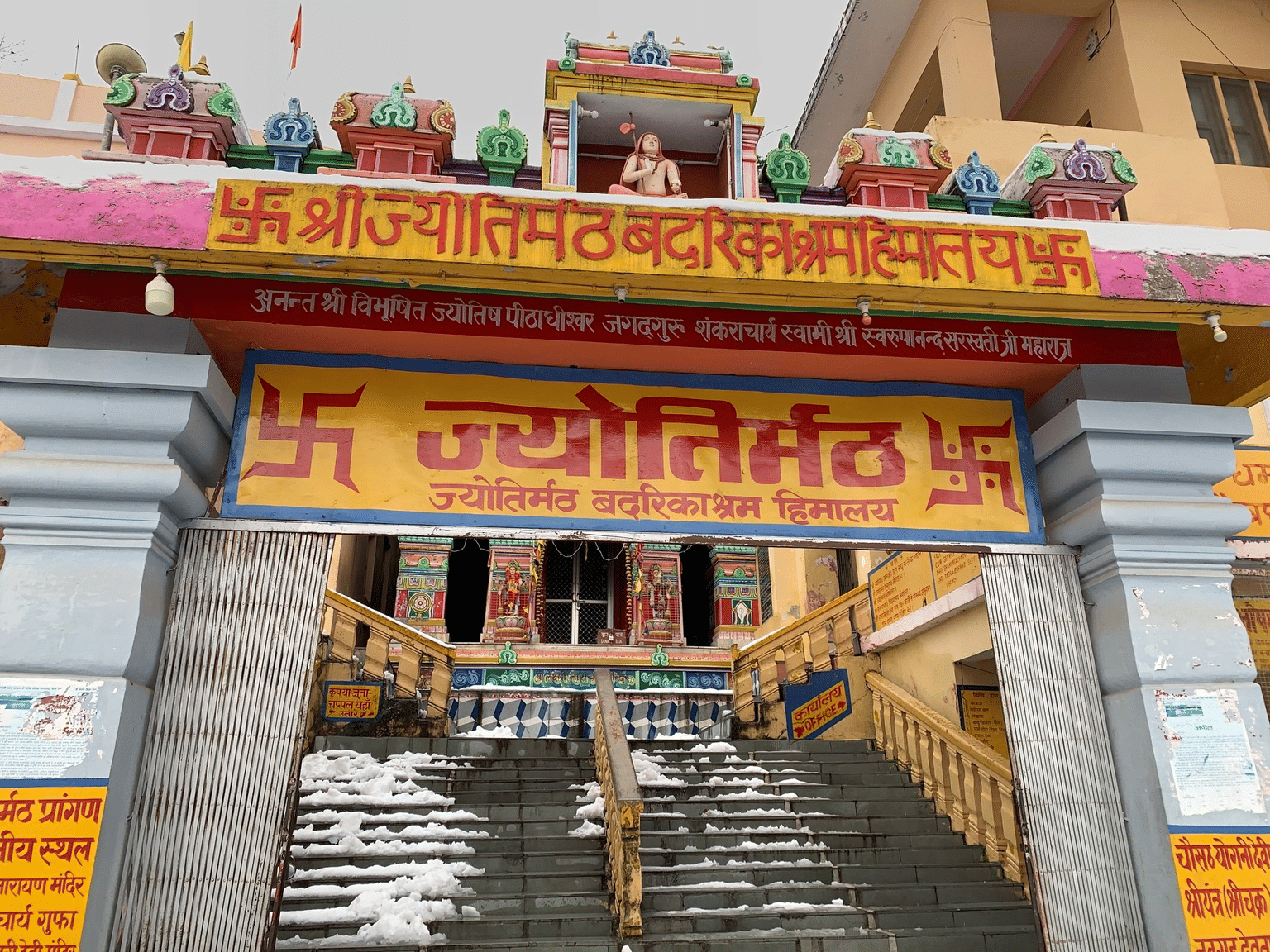
The Narasimha Temple in Joshimath is believed to have been established by Adi Shankaracharya. Adi Shankaracharya, a revered philosopher and theologian, played a significant role in establishing the temple and installing the idol of Lord Narsingh. He is also credited with revitalising Hinduism in the 8th century.