
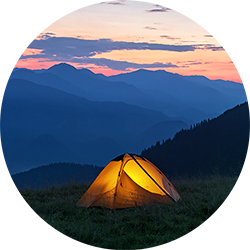


What is the altitude of Everest Base Camp Trek?
The maximum altitude of the Everest Base Camp Trek is 5645 m at Kala Patthar and the minimum is 2800 m at Lukla. Although the main Everest Base Camp is at a staggering elevation of 5360 meters, you won’t be able to see the Everest peak properly.
For that, you can climb further up from Gorakshep to Kala Patthar which is at an altitude of 5645 meters and shows an unobstructed view of the Everest Peak.
Day wise altitude:
-Day 1: Kathmandu 1400m
-Day 2: Lukla 2800 m, Phakding 2652 m
-Day 3: Namche Bazaar 3440 m
-Day 4: Acclimatization at Namche Bazaar
-Day 5: Tengboche 3860 m
-Day 6: Dingboche 4360 m
-Day 7: Acclimatization at Dingboche
-Day 8: Dughla/Thukla 4620 m
-Day 9: Lobuche 4940 m
-Day 10: Gorakshep- Everest Base Camp- Gorakshep 5170 m, 5364 m
-Day 11: Kala Patthar, Pheriche 5645 m, 4940 mCommon Altitude related issues
AMS: Acute Mountain Sickness is a condition in which there is a kind of uneasiness in the body due to low air pressure and lack of oxygen at a high altitude. As you walk up towards the higher terrains, the air pressure keeps decreasing and the level of oxygen also decreases simultaneously. It is known that the human body can adjust in such conditions as well. But the catch is, it needs some time to get used to these new circumstances i.e. low air pressure, low level of oxygen and of course, high elevation and sub-zero temperatures.
This is what acclimatization means. One needs to spend a while- at least a day or two in the higher altitudes to get used to the conditions there. And generally, the body is okay till 2400 meters above the sea level. That is why, as your trek starts from Lukla which is at a whopping 2800 meters of altitude, the acclimatization process will start from day one itself.
Sometimes, mild symptoms may surface and it all depends on person to person how his/her body reacts to the high altitude and the lower oxygen level. The common symptoms can be headache, nausea, dizziness and lack of appetite. If these symptoms persist, let your trek guide/ leader know immediately. If you are trekking on your own, then descend to a lower altitude and wait there till your condition gets better.
Some people even swear by the notion that drinking hot cocoa (Dark chocolate) tends to reduce the effects of AMS. Even after trying all these solutions and remedies the problem still continues and is not taken care of quickly, the person has to be rescued back immediately to a lower altitude by a helicopter for immediate medical help. In some rare cases, it can prove to be fatal as well.
Cold: The sub-zero temperatures at such a high altitude are unavoidable. On your way, you are bound to encounter with the cold temperature and it would keep on decreasing as you trek up and up. Sometimes, you may catch a cold at such high altitude and low temperatures. You should be well prepared for this by keeping cold-related medicines like inhaler and Crocin.
To reduce your suffering from cold, you should pack multiple layers of appropriate pieces of clothing like an inner layer of a warmer, breathable and wicking t-shirts, fleece jacket and a thick & warm waterproof outer jacket. Other than these, a beanie to cover your ears is also vital to prevent cold air from entering your ears. Another part of your body which is the most exposed is your hands. Remember to cover them up with warm fleece gloves and if required, another thicker, waterproof gloves on top of it to prevent cold entering your body.
Cough: As you advance in your trek and reach the Kumbhu region, you may start coughing a lot. This is mainly due to the dry air and irritation in your bronchial tube. Sometimes it may get really hurtful and irritating. You should also not breath with your mouth open. It tends to worsen the situation. To reduce the irritation and hurt, try breathing humidified air by wrapping your nose with a scarf, a mask or a buff.
You may also want to keep yourself hydrated in this arid region by drinking a lot of water and fluids. Amongst various liquids and drinks, avoid coffee and alcohol at high altitudes as these tend to dehydrate your body. Consuming candies and cough drops will also help to some extent.
Shortness of breath: At times, you will feel that you are not able to breathe properly. This may be due to fast walking at the high altitudes or not getting acclimatized properly to higher elevations or in general low levels of oxygen in that region.
For avoiding such a situation, try to take your time in getting acclimatized as you reach the higher regions while on your trek. You don’t have to be in a hurry to reach the base camp before others. This ‘race’ might bring you in big trouble. Do not ever overestimate yourself even if you have trained well for this trek.
It is of utmost importance to take your time while ascending. If you even slightly feel uneasy or think that you are not able to breathe properly, then take a break, make yourself used to the environment around you and then continue to walk up slowly as and when you feel better. Even after resting you feel that you are short of breath, then seek immediate medical aid.
It is also necessary that you tell about your situation to your trek leader so that he/she will keep on checking up you and give quick medical assistance if something major happens. The trek agencies are usually equipped with first aid kits for their groups. They even carry oxygen cylinders and masks for breathing-related emergencies.
Lack of coordination: Sometimes, at a high altitude, you get a feel that you are not able to walk properly or you are not able to judge and coordinate your steps while trekking. This might be majorly due to lack of oxygen and the effects of high altitude. Try resting for a bit and descend down immediately to make the situation better.
How to deal with Altitude Sickness?
Altitude sickness is one such thing that cannot be avoided while hiking for the Everest Base Camp. The general course is, if one ascends slowly and steadily, he will get acclimatized adequately to the higher altitude and will have the least amount or no problem of Altitude Sickness or Acute Mountain Sickness (AMS). Avoiding to cover an altitude of 300-500 meters from the previous day is also a good measure to bypass from succumbing to the severe altitude sickness.Many trekkers may suffer from varying levels of this mountain sickness. Some prevent it by consuming medicines beforehand, some have minute indications like tiredness, headache, lack of sleep, shortness of breath, cough, etc. and some might suffer from higher levels of these symptoms. To prevent this sickness, trekkers usually carry special medicines like Diamox with them. Diamox generally doesn't have any side effects from consuming it beforehand but you should consult a physician to prevent any mishaps during the trek. Gradual ascent is the key to avoiding altitude sickness. To avoid sickness, you should not trek up more than 500 meters per day if you are above the altitude of 2400 meters.
How to get acclimatized with high altitude on the Everest Base Camp Trek?
The basic rule for getting properly acclimatized to the high altitudes of the Everest Base Camp trek is to hike up steadily and gradually. Starting from Lukla, the altitude is already on the higher side, so it is necessary for you to get acclimatized to the weather conditions before even beginning the trek. After that, as you hike up, remember to not trek beyond 500 meters of altitude each day.This much ascent is enough and is usually the limit to get used to the weather slowly. If you climb up too much too fast, there is always a risk of getting prone to the altitude sickness and you may have to descend down immediately to reduce the symptoms and get better before resuming the trek.
Along with this, remember to eat enough carbohydrates such as rice, cookies, energy bars, etc. as they will be the major source of energy for you. You should never drink alcohol or even smoke, as it will deter your stamina, dehydrate your body and can be the reason of Acute Mountain Sickness. Instead, keep yourself hydrated all the time to replenish the water and necessary salts and electrolytes lost during sweating.
A lot of trekkers follow a method called climb high, sleep low. In this, you should ascent up during the day and come back down a little bit for sleeping. This will ensure that you get used to the weather conditions within the limit while trekking and at night, you can lower the risk of getting prone to the altitude sickness by sleeping at a slightly lower altitude.
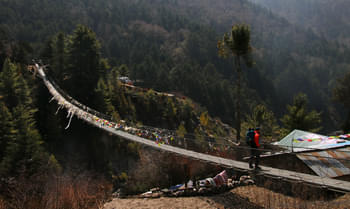
Phunki Tenga
One of the highlights of Phunki Tenga is its warm hospitality and welcoming atmosphere. Trekkers are greeted with smiles and hospitality by the local residents, who take pride in sharing their culture and traditions with visitors. Tea houses and lodges in the village provide comfortable accommodations and hearty meals, ensuring that trekkers have a cozy place to rest and refuel after a day of exploration.Phunki Tenga also serves as a gateway to some of the most iconic attractions in the Everest region. The village is strategically located along the trekking route to Everest Base Camp, making it an ideal starting point for adventurers embarking on the journey of a lifetime. From Phunki Tenga, trekkers can continue their ascent towards renowned destinations such as Tengboche Monastery, Dingboche, and ultimately, the majestic Everest Base Camp itself.Apart from its natural beauty and trekking opportunities, Phunki Tenga holds cultural significance as well. The village is home to a vibrant community of Sherpas, who have inhabited the region for generations. Trekkers have the opportunity to interact with the locals, learn about their traditional way of life, and gain insights into Sherpa culture and customs.
Read More
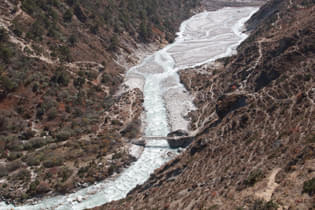
Imja Khola
Imja Khola, a glacier-fed river meandering through the rugged terrain of the Everest region in Nepal, is a lifeline for both nature and people. Originating from the Imja Glacier, it cascades through pristine valleys, nourishing the surrounding flora and fauna. Vital for local communities, it provides water for drinking, irrigation, and hydroelectricity. Trekkers navigating its path encounter suspension bridges offering dramatic vistas of towering Himalayan peaks, including Ama Dablam and Lhotse. Imja Khola's journey epitomizes the raw beauty and essential role of water in this remote landscape, captivating adventurers and sustaining life along its banks.
Read More
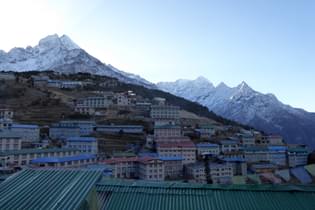
Jorsalle
Jorsalle and Namche are picturesque villages located in the Khumbu region of Nepal, renowned for their stunning mountain vistas, rich cultural heritage, and as gateways to the Himalayas. Jorsalle, situated near the entrance of Sagarmatha National Park, offers trekkers a serene starting point for their journey towards Everest Base Camp. It is a quaint village surrounded by lush forests and roaring rivers, providing a peaceful atmosphere for visitors.In contrast, Namche Bazaar, nestled amidst towering peaks, is a bustling trading center and the unofficial capital of the Khumbu region. Here, travelers can immerse themselves in the vibrant Sherpa culture, explore traditional markets selling local handicrafts and souvenirs, and enjoy breathtaking views of Everest and its surrounding peaks. Namche also serves as a vital acclimatization stop for trekkers before ascending further into the Himalayas. Both Jorsalle and Namche offer trekkers and adventurers a memorable experience amidst the awe-inspiring beauty of the Nepalese Himalayas.Also Check Out: 12 Days 11 Nights Nepal Tour Packages
Read More
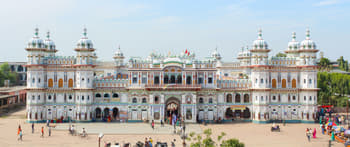
Janaki Mandir
Janaki Mandir in Janakpur, Nepal, is a marvel of architectural and cultural significance. The temple, dedicated to Goddess Sita, known locally as Janaki, is a prime example of the rich blend of Mughal and indigenous Koiri architectural styles. Queen Vrisha Bhanu of Tikamgarh commissioned the temple in 1910, and its construction was completed using white marble, which lends it a majestic and pristine appearance.The temple complex is adorned with intricate carvings and colorful frescoes depicting scenes from the Ramayana, particularly focusing on the life of Sita and her marriage to Lord Rama. The central dome of the temple is flanked by smaller turrets, creating a visually striking skyline that can be seen from afar. The elaborate design includes a series of courtyards, gardens, and fountains, enhancing its spiritual ambiance.Janaki Mandir is not just an architectural wonder but also a major pilgrimage site. Devotees from Nepal and India flock to the temple, especially during the Vivah Panchami festival, which celebrates the wedding of Sita and Rama with great fervor. The festival features grand processions, rituals, and cultural performances, drawing thousands of visitors.Besides its religious importance, Janaki Mandir plays a crucial role in the local community, contributing to the social and economic fabric of Janakpur. The temple is surrounded by a vibrant market area where artisans and vendors sell traditional crafts, souvenirs, and religious items. This bustling activity highlights the temple's role as a cultural and economic hub in the region.In essence, Janaki Mandir is a symbol of devotion, architectural brilliance, and cultural heritage, reflecting the deep-rooted spiritual traditions of Nepal.Also Explore: Nepal 7 Days Tour Package
Read More
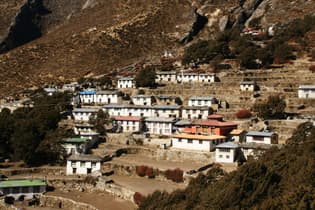
Pangboche
Pangboche is renowned for its ancient monastery, one of the oldest in the Khumbu region, which holds relics and artifacts dating back centuries, offering a glimpse into Nepal's rich cultural heritage. The village is a haven for trekkers and adventurers exploring the Everest Base Camp trail, providing a warm and welcoming stop along the challenging journey.The local Sherpa community warmly welcomes visitors, offering insights into their way of life, traditions, and Buddhist customs. Surrounded by towering mountains and pristine landscapes, Pangboche Village is a haven for nature lovers and spiritual seekers alike, beckoning travelers to immerse themselves in its timeless beauty and tranquility.
Read More
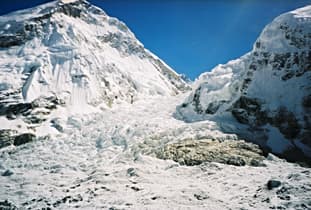
Khumbu Glacier
The Khumbu Glacier, nestled within the Himalayas of Nepal, is a sprawling river of ice spanning approximately 17 kilometers. Fed by the Western Cwm, it flows from the Khumbu Icefall down to the Everest Base Camp, serving as a critical passage for mountaineers embarking on expeditions to Everest.Despite its icy beauty, the Khumbu Glacier is not without danger. Its crevassed surface poses risks to trekkers and climbers navigating its treacherous terrain. Yet, amidst the challenges, the glacier offers breathtaking vistas of towering peaks and pristine alpine landscapes, captivating adventurers with its raw beauty and unforgiving majesty.As one traverses the rocky moraines and icy expanses of the Khumbu Glacier, they are enveloped in the serenity and grandeur of the Himalayas, reminded of the profound forces that shape this remote wilderness. It stands as a testament to nature's power and a beacon of adventure for those drawn to explore the world's highest peaks.Check out Now: 6 Days Nepal Tour Package
Read More
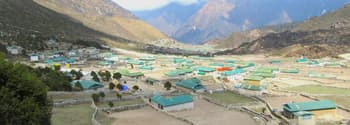
Khumjung Village
A highlight of any visit to Khumjung is the renowned Hillary School, named after Sir Edmund Hillary, the legendary mountaineer who, along with Tenzing Norgay, first summited Mount Everest in 1953. Founded in 1961, the school provides education to the children of the Sherpa community, offering them a path to a brighter future while preserving their cultural heritage.Another must-see attraction in Khumjung is the Khumjung Monastery, a sacred sanctuary nestled amidst the mountains. This centuries-old monastery is adorned with ornate Tibetan Buddhist artwork, colorful murals, and intricate wood carvings, offering visitors a glimpse into the spiritual heart of the region. Inside, the monastery houses relics, scriptures, and ancient artifacts that speak to the deep-rooted faith of the Sherpa people.For outdoor enthusiasts and adventure seekers, Khumjung Valley serves as a gateway to some of the world's most legendary trekking routes. The famous Everest Base Camp Trek passes through the valley, offering trekkers a chance to follow in the footsteps of mountaineering legends and witness the awe-inspiring beauty of the Himalayas up close.In addition to trekking, Khumjung Valley offers a wealth of recreational activities, including mountain biking, rock climbing, and wildlife spotting. Whether you're scaling mountain peaks or simply strolling through the valley, every moment spent in Khumjung is a testament to the enduring spirit of exploration and discovery.
Read More
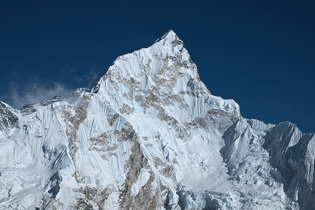
Mount Nuptse
Mount Nuptse, an imposing peak in the Nepalese Himalayas, stands as a formidable neighbor to Mount Everest, sharing its dramatic landscape and challenging terrain. Rising to a height of 7,861 meters (25,791 feet), Nuptse commands attention with its sheer, icy slopes and rugged ridges. Its name, derived from the Tibetan word meaning "west peak," aptly describes its position west of Everest.While overshadowed in height by its neighbor, Nuptse possesses its own distinct allure, drawing climbers and adventurers seeking the thrill of conquering its lofty summit. The ascent to Nuptse presents a formidable challenge, requiring technical skill and physical endurance. Its steep faces and icy slopes demand respect and careful navigation from even the most experienced mountaineers.For trekkers, the trails around Nuptse offer breathtaking views of the surrounding Himalayan landscape, with glimpses of Everest's towering peak in the distance. The Everest Base Camp trek, which passes beneath Nuptse's shadow, provides an exhilarating opportunity to experience the majesty of this iconic peak up close.Despite its imposing stature, Nuptse holds a certain allure for those who dare to explore its slopes. Its rugged beauty and challenging terrain make it a magnet for adventurers seeking the ultimate Himalayan experience. Whether viewed from afar or conquered up close, Mount Nuptse leaves an indelible mark on all who encounter its grandeur.
Read More
More Nepal Attractions
Annapurna South, nepal
Kande, nepal
Koktang Peak, sikkim
Mount Ama Dablam, nepal
Nangkartshang Peak, nepal
Naudanda, nepal
Monjo Village, nepal
Chhomrong Village, nepal
Gorak Shep Lake, nepal
Ngozumpa Glacier, nepal
Kanchenjunga Base Camp Trek, sikkim
Cholatse Nepal
Somare Village, nepal
Bhaleshwor Mahadev Temple, nepal
Hiunchuli Range, nepal
Hata Peak, nepal
Cho La pass, nepal
Budhanilkantha Temple, nepal
Hinku Cave, nepal
Birethanti Village, nepal
Dharan, nepal
Guhyeshwari Temple, kathmandu
Simana View Point, nepal
Thamserku, nepal
Lobuche Peak, nepal