
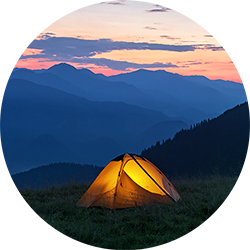


Can I do Har ki Dun Trek Solo?
The Har ki Dun trek happens to be an excellent trek to be experienced solo. Owing to its intense trails, this trek is known to offer the solo trekkers challenging situations, adrenaline-fueled adventure and some time in solitude. From exploring the exciting nearby areas to interacting with the locals and turning strangers into good friends, there’s so much that solo trekkers can look forward to in their Har ki Dun Trek.
That said, solo treks for beginners or amateur trekkers can be a little daunting due to the new place and a more daring adventure. Which makes it a better idea to go in a group or with your loved ones. Therefore, for a more inclusive yet an unusual experience, one can choose the Thrillophilia’s Har Ki Dun trek group departures, which couples solo trekkers into groups for the trek, including other fun activities.
Things to Carry for the Har ki Dun Trek
If you are planning to go for Har ki Dun trek solo, you should take enough care to pack everything required for the trek, as there would be no one for you to share things with in case you miss out on any. That said, here are the necessary items that you should carry for the trek:
1. A backpack
2. Personal medical kit
Band aids, Bandages, Dettol, and medicines for AMS, dehydration, cold, and headache
3. Toiletries
Wet napkins, pads and tampons, toothbrush and toothpaste, hand sanitizer, shower gel, moisturizer, lip balm, sunscreen lotion
4. Clothing
Thermal inners, full-sleeves shirts, trekking pants, fleece jackets, woollen gloves
5. Footwear
Trekking boots, flip-flops, and sneakers
6. Accessories
Torch, sunglasses, and caps
7. Snacks
Energy bars, biscuits, and dry fruits
8. Trekking Equipment
Crampons, Ice Axe, headlight, polarizing sunglasses, sleeping bag, trekking pole, swiss knife, and waterproof map of the Har ki Dun trek.
9. Electronic Gadgets
Camera, cell phone, power bank, universal adapter
10. Sufficient cash
Permission and Permits Required for the Har ki Dun Trek
Before heading for the Har ki Dun trek, you require taking the permit and permission of the Indian Mountaineering Foundation (IMF). The permit usually gets issued within one day of your application. You also require carrying your id proof and medical certificate.
The medical certificate will act as proof to check if you are physically fit to go for the trek. If you are a non-Indian trekker, your passport and visa will also be required for the trek.
What can Solo Trekkers do on Har ki Dun Trek?
There are a plethora of exciting things that solo trekkers can enjoy on the Har ki Dun trek.
- Enjoying bonfire activities with the fellow trekkers
- Camping under the starry night sky
- Taking stunning pictures of the spellbinding mountain vistas
- Playing with the fresh snow (if you’re trekking during the winters)
- Catching a glimpse of the picturesque pinnacles of various mountains including Black Peak, Swargarohini - I, II, and III.
Tips for the Har ki Dun Trek for Solo Trekkers
- Consider hiring a knowledgeable and experienced guide to accompany you on the Har ki Dun trek.
- The only place where you will find ATMs is Purola. So, withdraw enough money you want for the trek from here itself.
- You may experience weaker network connectivity from Purola to Sankri. So, make sure you are done with your telephone and internet requirements before leaving Purola.
- Consider hiring a porter, if you face difficulty in carrying your luggage alone through the trek.