Gowtham and Sarath's 8-Day Spiti Valley Trip with Thrillophilia

Thrillophilia Verified Booking
Rating: ★★★★★
PNR: BKDKIACWGTI
Travellers: Gowtham M and Sarath Chandra T
Trip Duration: 8 Days | 7 Nights
Date of Travel: 04 April 2026 to 11 April 2026
Package Booked: 8 Days Spiti Valley Group Tour
Destination Expert: Avika Mour
Spiti had been on Gowtham's radar for a while. Like most people, he had gone through enough Spiti Valley trip reviews online to know this was not somewhere you showed up unprepared. The place kept coming up in conversations, in reels, in photos people sent him, until at some point he stopped saying "someday" and just booked it. He got Sarath on board, both of them 27, and they put eight days aside in April. That was the easy part.
The planning was a different story. Spiti is not the kind of trip you wing. The altitude alone needs thinking through, and the route covers multiple towns across some genuinely rough terrain. This apprehension finally lifted when they contacted Avika Mour at Thrillophilia, who took the worries off of their hands and sorted the full itinerary from Delhi through Shimla, Sangla, Nako, Kaza, Kalpa, and back.
After the 8 days, Gowtham's Spiti review on Tripadvisor highlighted his experience.
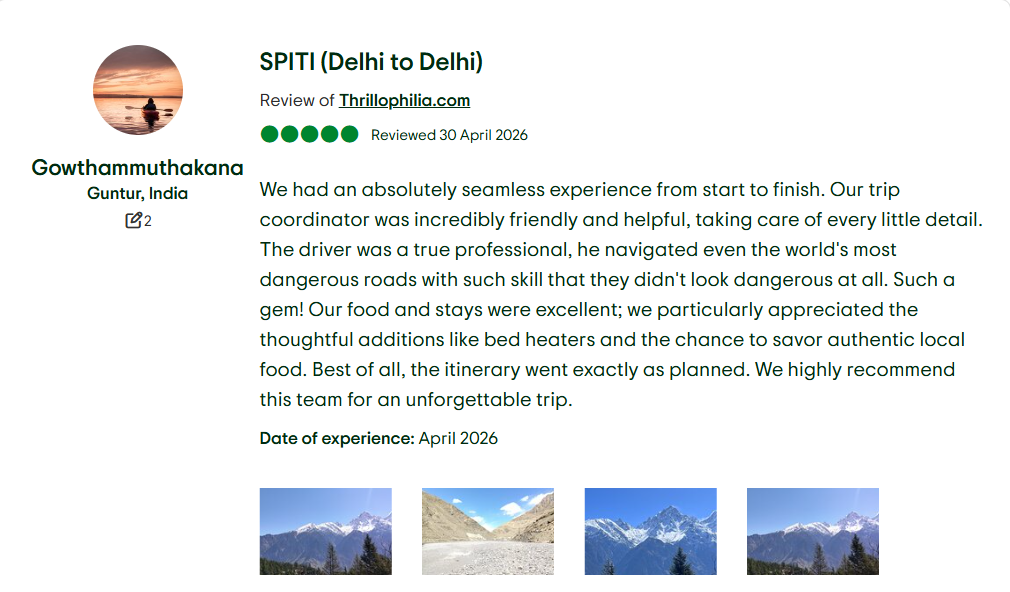
"We had an absolutely seamless experience from start to finish. Our trip coordinator was incredibly friendly and helpful, taking care of every little detail."
The Road to Spiti Is the Real Adventure
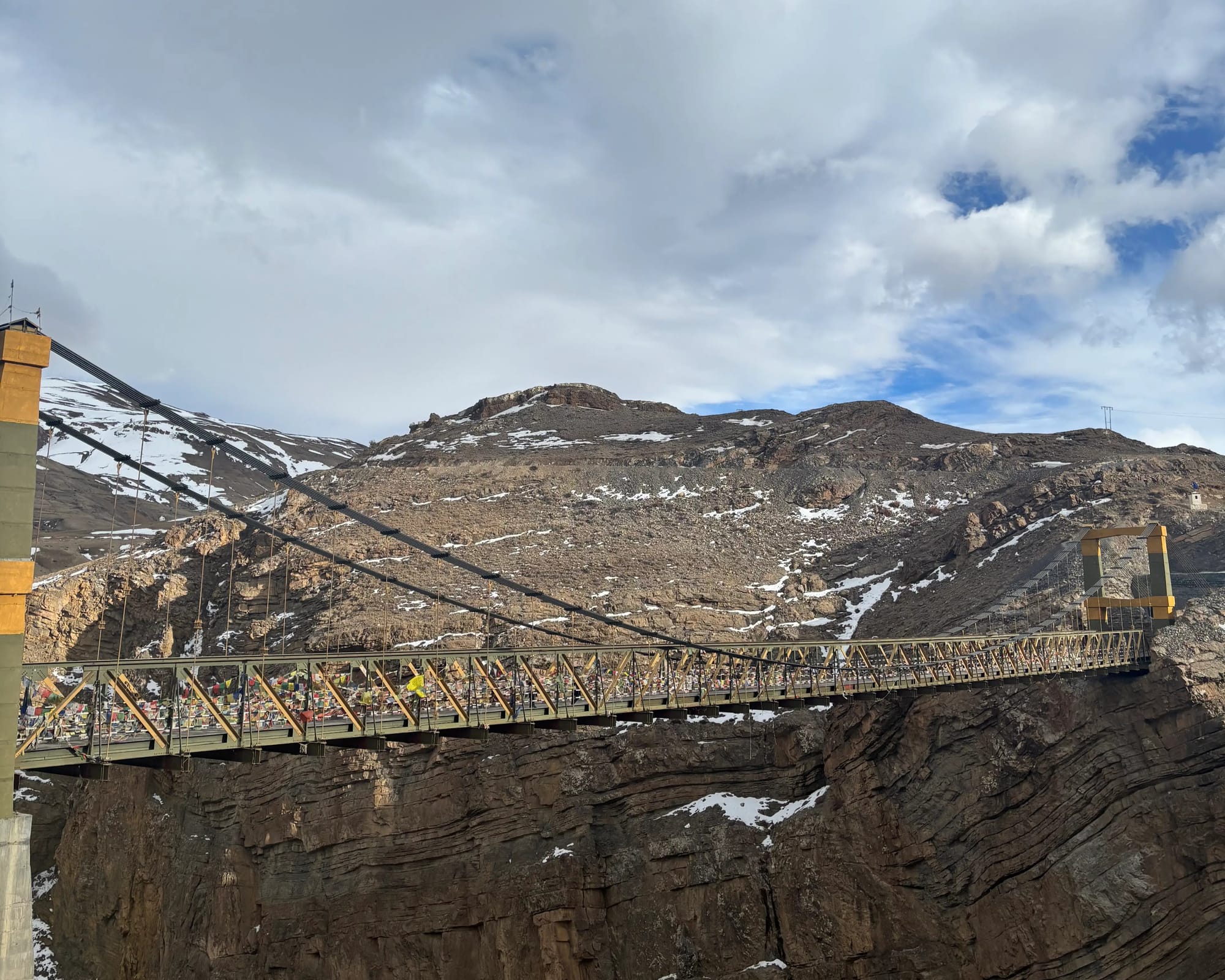
They boarded an AC semi-sleeper bus from Majnu-ka-Tilla in Delhi on the night of April 4th. It was an overnight bus, so by the time the sun came up, the plains were gone, and one could see Shimla through the window with its familiar hill-town fog. It seemed to be a perfect way to arrive somewhere.
Many people ask how it is possible to navigate the rough terrain of Spiti comfortably, something Gowtham was also curious about. The team had shared a detailed day-by-day breakdown before the trip, including which stretches were longer and what the road conditions looked like through April.
Nako and a Prayer Wheel That is 500 Years Old
Some places in Spiti are felt more than photographed. The 500-year-old yak skin prayer wheel was one of them. Quiet, weathered, and impossible to fully capture unless you are standing right there beside it.
Before the trip, keeping the high altitude in mind, the team had specifically suggested taking Diamox 30 minutes before the higher-altitude stretches. Small detail, but for two people doing Spiti for the first time, having that kind of practical information upfront meant neither of them spent a day feeling wrecked when they should have been enjoying where they were.
Two Days in Kaza and All the Things That Made It
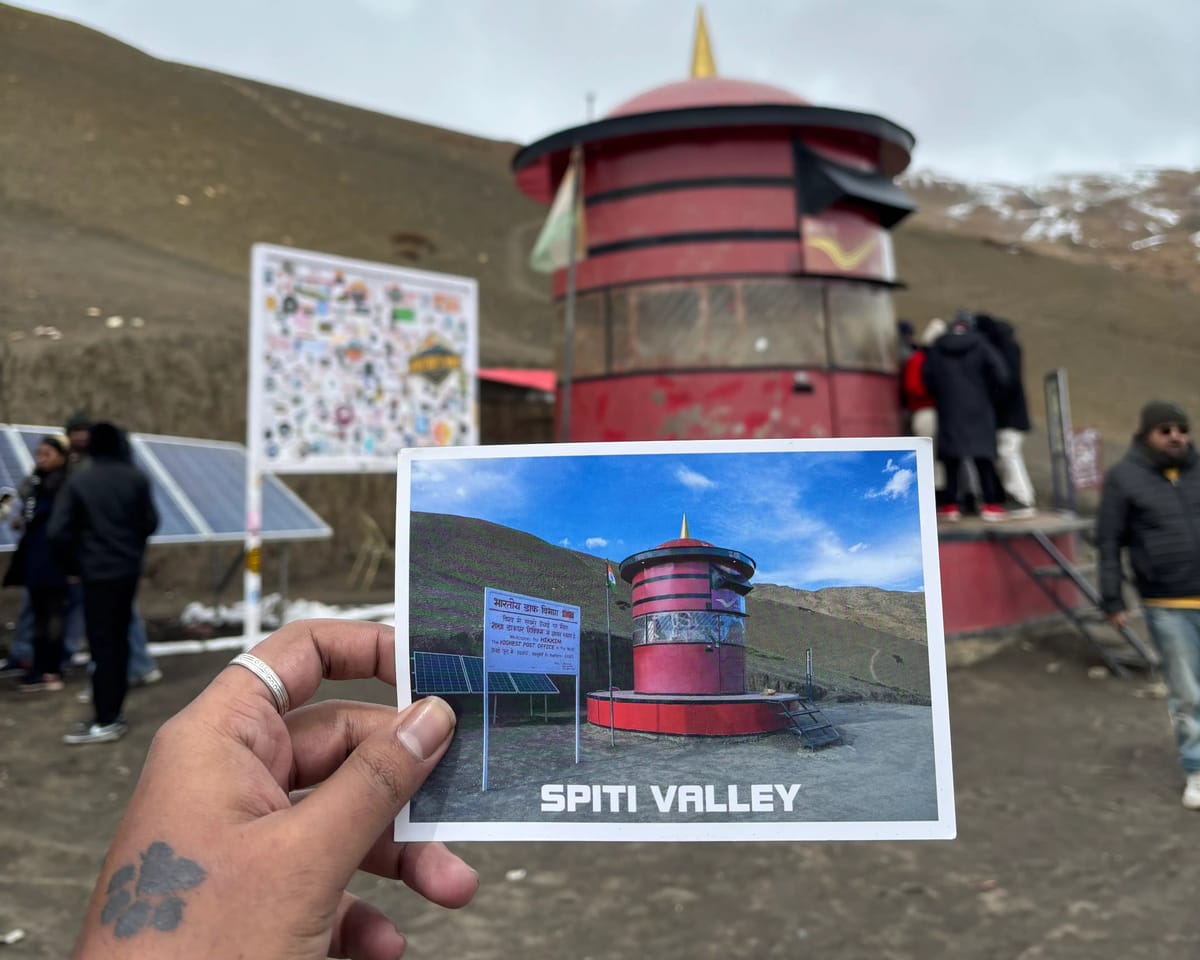
Days four and five were based in Kaza, and this is the part of the trip most people come for. The world's highest post office at Hikkim, where you can actually send a postcard and have it reach someone.
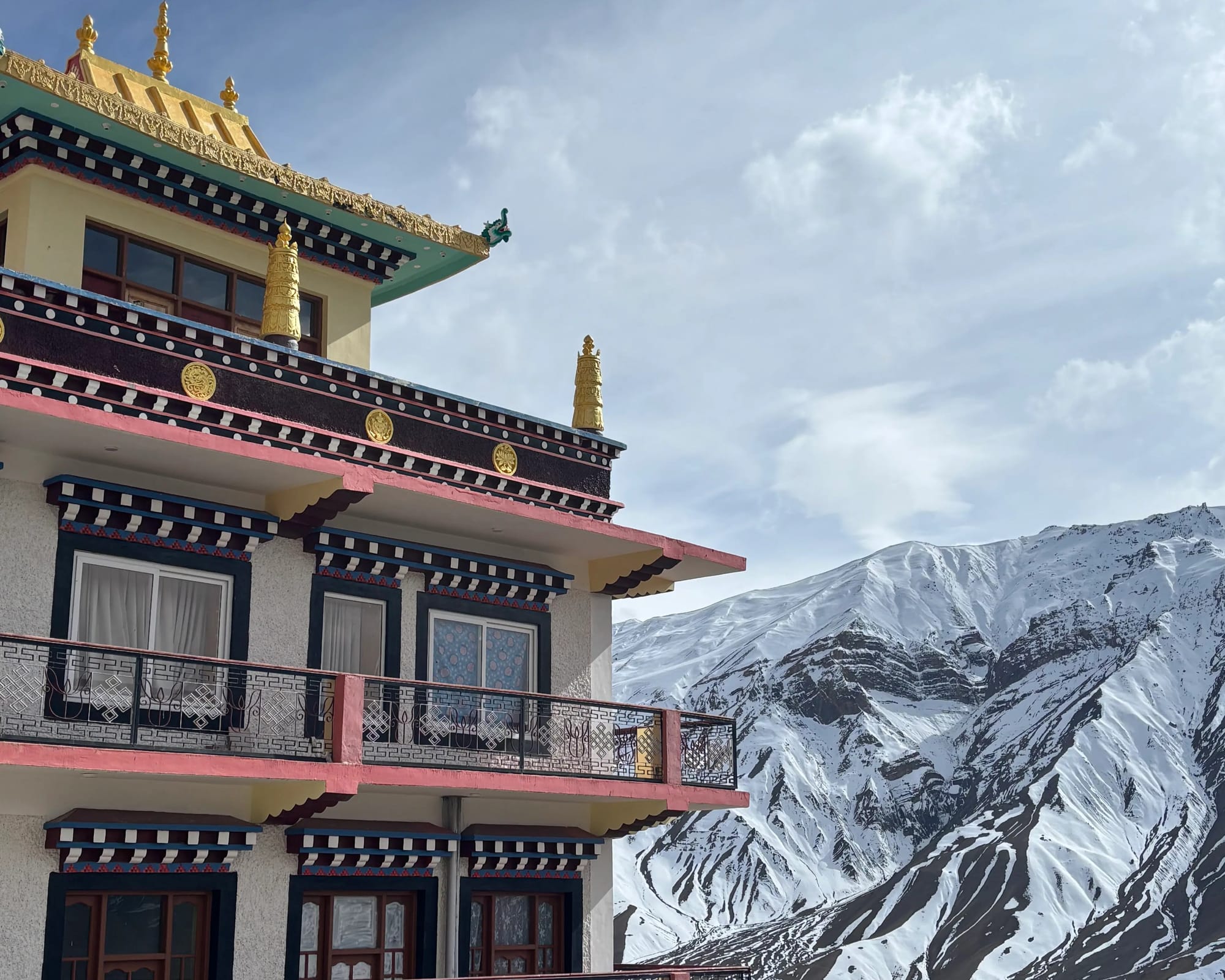
The fossil village at Langza, which sits in a landscape that was once underwater and still has the fossils in the ground to prove it. Tabo Monastery, which has been around there since 996 AD and holds some of the oldest Buddhist murals in the world. And Key Monastery, which Gowtham recognised from every Spiti Valley photo he'd have ever seen, sat on its ridge above the valley.
The Driver Who Made the Scary Parts Feel Fine
Day six was the drive from Kaza to Kalpa, with Dhankar on the way. Dhankar Monastery sits high on a cliff above the Spiti and Pin rivers, and the view from there is hard to explain until you see it yourself.
This stretch had some of the toughest roads on the entire trip, and it really made Gowtham realise how important a good driver is. Gowtham's Spiti review on Trustpilot captured it perfectly: “The driver was a true professional, he navigated even the world's most dangerous roads with such skill that they didn't look dangerous at all. Such a gem!”
That kind of confidence behind the wheel was something he felt as a passenger even when he could not articulate it. It changed how he experienced the drive.
The Stays Were Simple and That Was Exactly Right
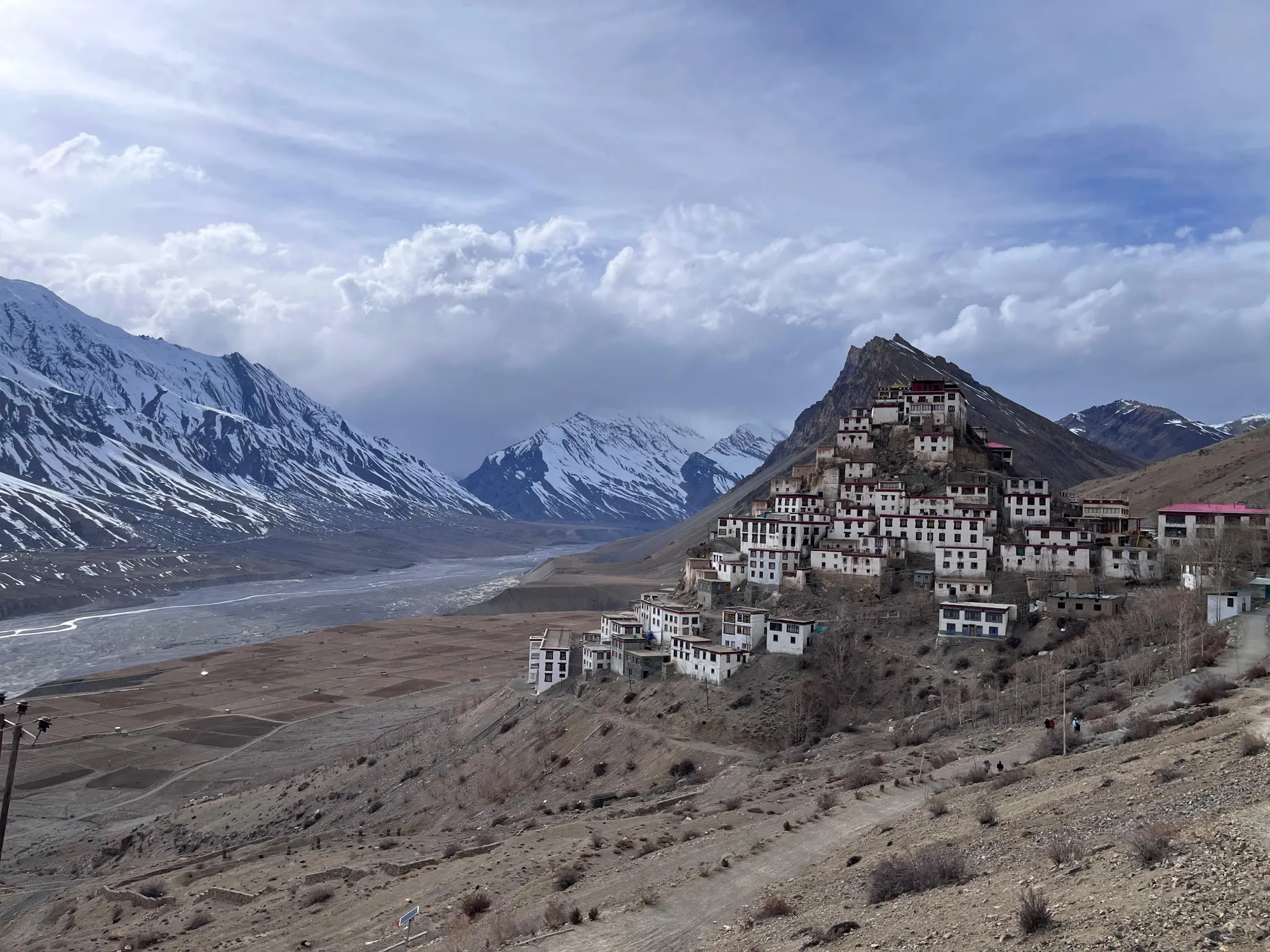
Gowtham and Sarath found the accommodation comfortable throughout. Bed heaters on the colder nights were a genuinely appreciated touch. The food leaned local, which is the right call when you are in a place that has its own cooking traditions worth tasting.
"Our food and stays were excellent; we particularly appreciated the thoughtful additions like bed heaters and the chance to savor authentic local food." Gowtham wrote after the trip on Tripadvisor.
First-time visitors sometimes worry that basic means uncomfortable, but that is usually not the case. In Spiti, basic just means simple rooms, fewer distractions, and shared spaces in some places. The team had already set the right expectations before the trip, so nothing felt unexpected once the journey started.
How Thrillophilia Made Eight Days Work
Before the journey even began, Avika Mour had already handled the coordination, so by the time Gowtham and Sarath boarded their bus from Delhi, everything was in place. The Inner Line Permits were arranged in advance, the itinerary was clear, and essentials like a first aid kit and oxygen cylinder were already included because at this altitude, those things genuinely matter.
As Gowtham wrote in his Trustpilot review after returning, “Best of all, the itinerary went exactly as planned. We highly recommend this team for an unforgettable trip.”
Spiti rewards people who arrive prepared, and that is exactly what this trip felt like from the start.
Disclaimer: This story has been written by the Thrillophilia editorial team based on verified booking details and post-trip traveller feedback. Quotes from the traveller are authentically quoted. All itinerary details are drawn from the confirmed booking record.
Also Read: Thrillophilia Spiti Customer Stories