
DownloadThrillophiliaApp
Book Tour and Activities on the Go!

Chitrali Kaur
This trek suits everyone, from beginners to experienced trekkers...i was the first timer so i was excited from the beginning. Thanks to our instructor ...

Dron Malik
i had heard a lot about this popular trek of himachal from my friends who trekked here last year....so i decided to go and feel the thrill in summer va...
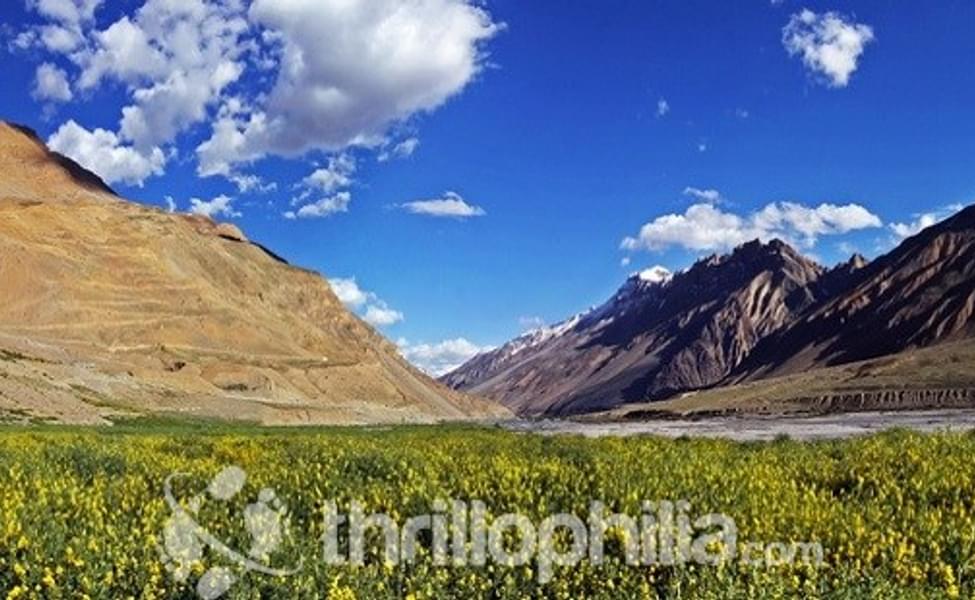
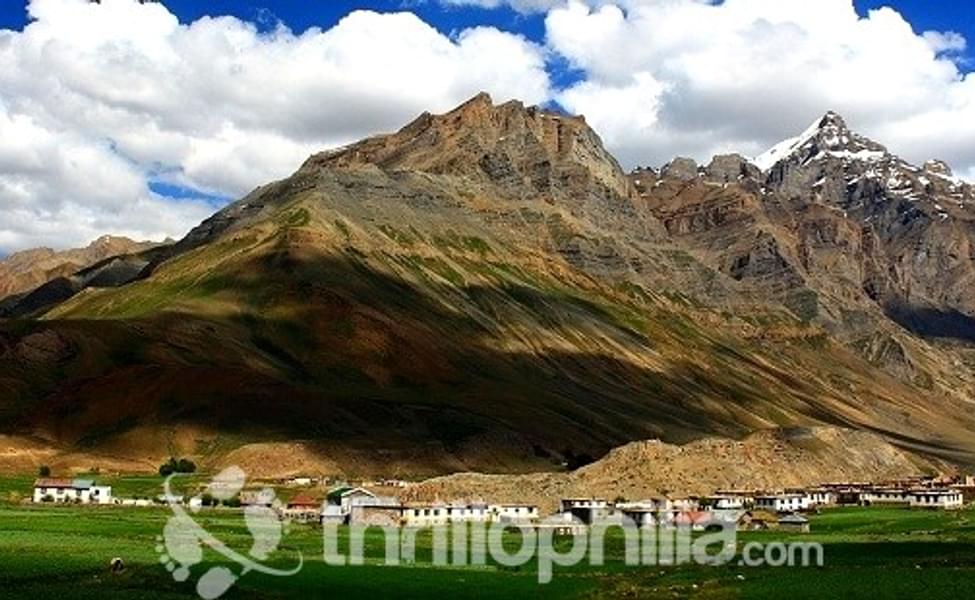
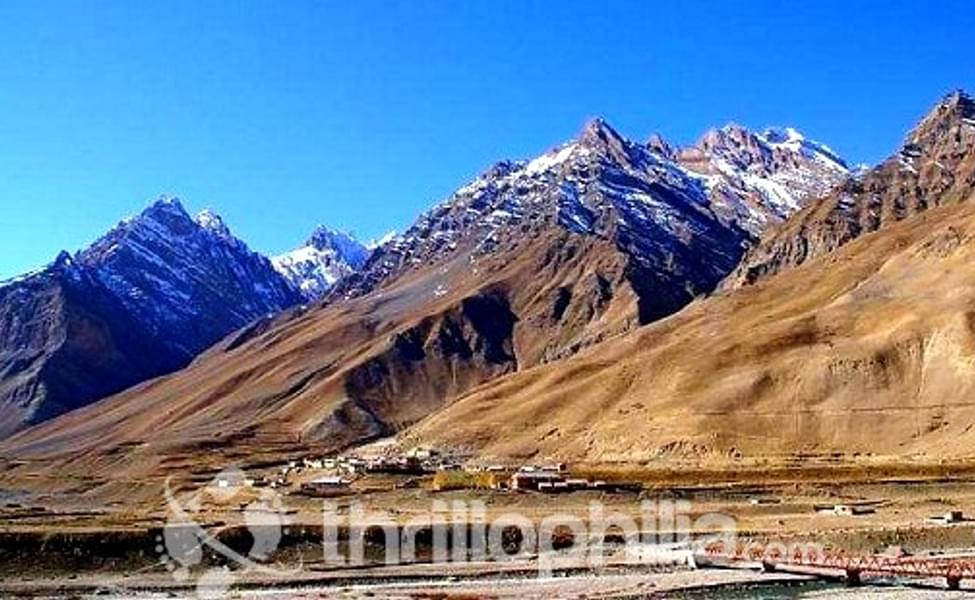
The trek to Himachal Pradesh offers an implausible look into the pin valleys and Spiti valleys. From Kullu, we would descend to the Spiti valley, Gompa and all the other adjoining villages. The landscape transforms radically after you cross the bhaba pass.
The empty land is now filled up with dense forests of cedar as well as pine. Kunzum la and Rohtak pass gives us an amazing insight to the beauties of nature.
Visit the dhankar monastery which is a famous monastery. Rest at the base camp and continue to trek at the Bhawa Pass. Then you would come across the Bhawa River. The trek would end here at Shimla- once capital of the British.
Write Your Story

Rated : 5.0
This trek suits everyone, from beginners to experienced trekkers...i was the first timer so i was excited from the beginning. Thanks to our instructor who took us to this enthralling adventure.i never saw such a fantastic place in my life!!!
_13.jpg.jpg?1458022216)
_16.jpg.jpg?1458022216)
_19.jpg.jpg?1458022216)
_24.jpg.jpg?1458022216)
Rated : 5.0
i had heard a lot about this popular trek of himachal from my friends who trekked here last year....so i decided to go and feel the thrill in summer vacation and believe me guys its worth visiting. Now actually I want to visit this place again.


Rated : 4.0
Awesome views from the peak point, everything was looking so tiny from the top and i loved the panoramic views. Its one of the best trek to Himachal Pradesh, Some points are worth visiting like the pin valleys and Spiti valleys, Gompa and all the other adjoining villages.
_05.jpg.jpg?1458022006)
_10.jpg.jpg?1458022006)
_15.jpg.jpg?1458022006)

Rated : 4.0
It was a long tiring trek but those beautiful views and our fun groups didn't let me feel any kind of tiredness. i really liked the Kullu point , from where we moved to the Spiti valley, its a beautiful valley guys. we stayed there for few moments just to capture the scenes...
_07.jpg.jpg?1458022124)
_14.jpg.jpg?1458022124)
_17.jpg.jpg?1458022124)

Rated : 5.0
Wao i felt as if i were in location of a Bollywood film. One of the most popular trekking point in Himachal pradesh. Everything went perfect till bhaba pass because after that point the landscape changes drastically. Overall it was a very nice experience!!!!
_25.jpg.jpg?1458022362)
_26.jpg.jpg?1458022362)

Rated : 4.0
I spent almost a week in the mighty mountains of Himalayas...Bhawa pass is a the most beautiful trekking point of himachal. Our trek was divided into six part , but i liked to trek from Mud Purkha to Base camp, which is a moderate and beautiful trail. there are many good nearby places also. Dont wory the trip comes in your budget, just don't miss out any thing . It was a great stay there!!

Rated : 4.0
i loved those cedar and pine forests , those were really looking beautiful. we had started our journey from manali and from there we went bhawa pass via khaza, sangam , Mud Purkha and kunfu. It was a very nice trip.

Rated : 4.0
wao it was so much fun in kullu, i had read a lot about tis point. from kullu we visited siti and gompa village just to explore the beauty. we also saw the gorgeous de nse forests of cedar and pine.overall a awesome experience.

Rated : 5.0
we explored all nearby places of sipti and gompa and met with local people also.To me discovering the unseen views awas really awesome. i wish there would some restaurants because i was quite bored of my camp food..

Rated : 5.0
The spectacular views of the mountains catches everyone's attention. Gompa has some elegant location, there are few lakes and temples which is a must visit place. Bhawa pass trekking was an absolute adventure.
Why Thrillophilia
Verified Reviews
25000+ Pictures and Reviews on the platform.
Best Price Guarantee
We have a best price guarantee. If you get the same product anywhere else at a cheaper price and you inform us about the same on the same day of your booking, we will refund the difference of cost to you.
10000+ Tours and Activities
We have activities across 17 countries, across every category so that you never miss best things to do anywhere.
Customer Delight
We are always able to support you so that you have a hassle free experience.
Supplier


Join with
Thrillophilia
Experience 2500+ Tours
And Activities from 1200+ Suppliers

Subscribe our newsletter to recieve
Latest deals, Offers and Packages in your inbox
Or use your Email
Or use your Email
Join with
Thrillophilia
Experience 2500+ Tours
And Activities from 1200+ Suppliers
Exclusive Offers
Deals, Based on your interests
Hassle free Cancellation
Please specify the Travel date & Number of Travelers
Join with
Thrillophilia
Experience 2500+ Tours
And Activities from 1200+ Suppliers
Exclusive Offers
Deals, Based on your interests
Hassle free Cancellation
 Thrillophilia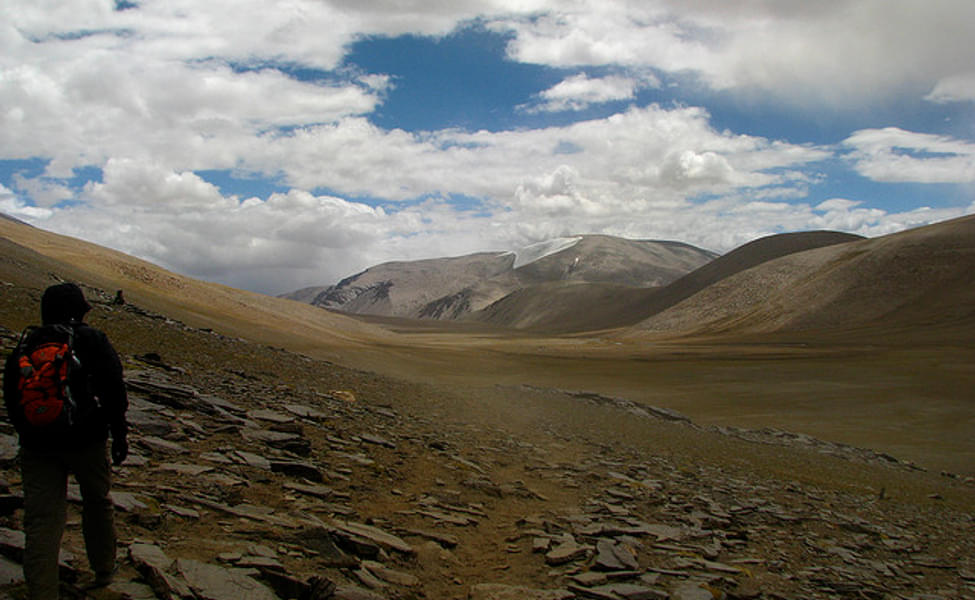



 Sign up with Your Facebook Account
 Signup with your Google Account
 Thrillophilia.com